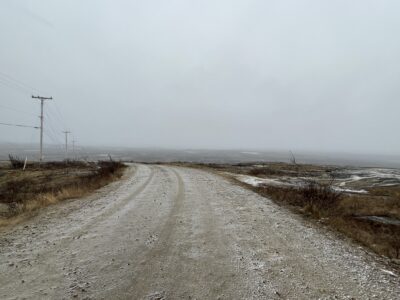
Dr Michelle Kwok is an allergist based in Montréal, Canada, currently completing an MSc in Global Health Leadership at Somerville College. Her clinical outreach work takes her regularly to Cree and Inuit communities across northern Québec.
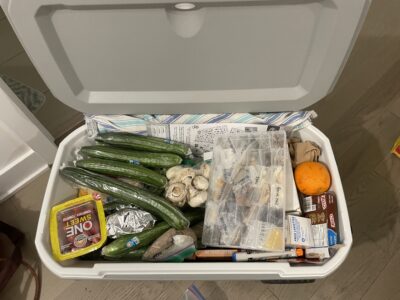
I begin packing for my northern outreach clinics the weekend before.
The first things into my luggage are the tools of an allergy clinic: skin prick testing reagents, epinephrine trainers and my stethoscope. Then I pack for myself. I usually bring most of my meals from Montréal, warm clothing and, finally, a cake. It started as a surprise for one of our Indigenous outreach coordinators during an early trip. Since then, it has become tradition.
Packing is only part of the work.
In the weeks before departure, I work with Specialized Services to build the clinic schedule. Patients are referred with complex food allergies, environmental allergies, chronic urticaria, suspected drug or vaccine allergies, insect venom allergy and anaphylaxis. There are no allergists based in the communities where I provide outreach, so specialist care generally means travelling to Montréal or waiting until the next outreach clinic.
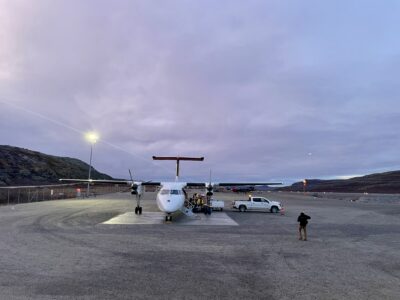
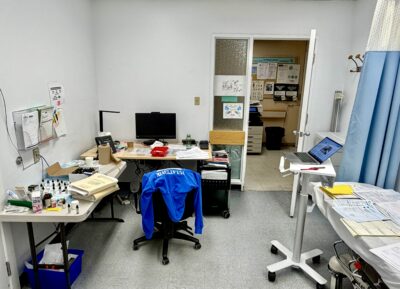
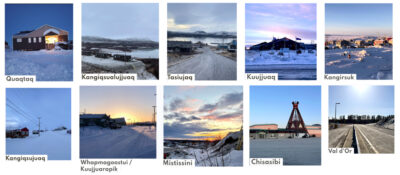
My outreach work now takes me to Cree communities in Eeyou Istchee, Inuit communities in Nunavik and, more recently, Val-d’Or, where I support an established regional allergy service.
One consultation in Chisasibi stands out.
A patient I had first met over telemedicine was convinced she was allergic to a particular fish. The species wasn’t available for laboratory testing, so I asked her to bring whichever fish she thought would be helpful.
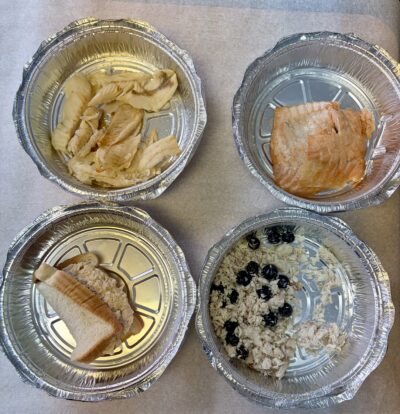
She arrived carrying four different kinds: a tuna sandwich, salmon caught from the river, walleye caught by her uncle and whitefish mixed with berries.
“It usually has bear fat too,” she explained, “but I left it out in case it affected the test.”
Skin prick testing using both commercial extracts and fresh samples was negative, but her history remained convincing, so we proceeded to an oral food challenge. As we gradually increased the portions, her lips began to swell and hives appeared. We stopped the challenge, treated the reaction and, after years of uncertainty, she finally had an answer.
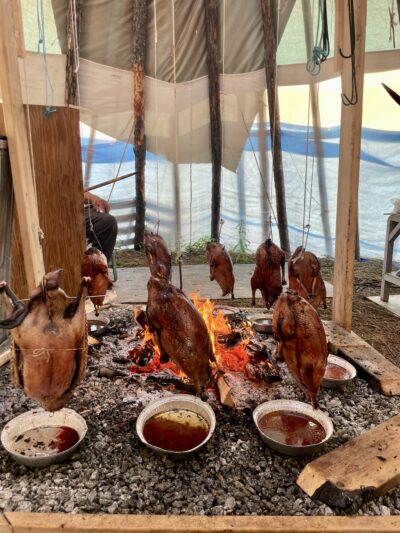
As we talked, she explained that these were country foods: foods that were hunted, fished or gathered on the land. She knew exactly who had caught each fish and where it had come from. Much of it had been shared with her by family members. By the end of the consultation, I realised we had spent almost as much time talking about the fish as we had about the allergy.
The following day, we held a lunch-and-learn with nurses, reception staff and other members of the clinic team. I had prepared a simple session about food allergies and anaphylaxis, but before long it became a conversation. We talked about the questions families asked most often and where more education would be helpful. I had planned the session as teaching. By the end, I realised I had learned just as much.
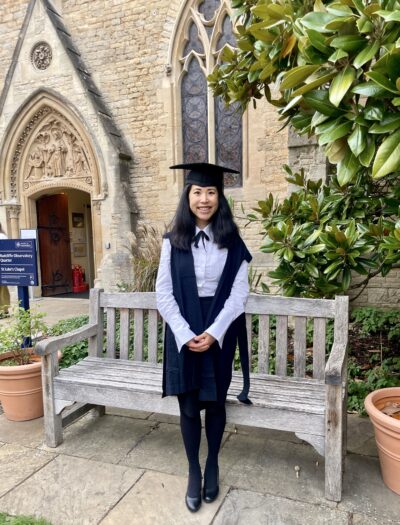
It wasn’t until I arrived at Oxford that I began to understand those experiences differently. The MSc in Global Health Leadership has not changed where I work. It has changed how I understand it.
The programme has given me a framework for looking beyond the individual consultation and understanding the wider context surrounding it. I began asking different questions. What can continue after I leave? How can education better reflect community priorities? How should research begin?
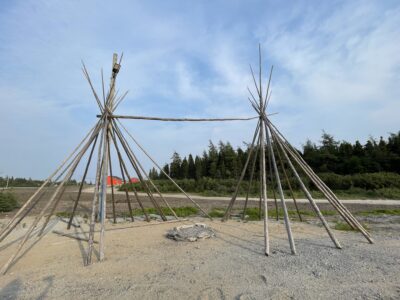
Increasingly, I think good research starts long before data are collected. It begins by understanding context, listening carefully and building relationships. The questions that matter most have rarely come from me alone. They emerge from conversations with patients, local healthcare teams and communities themselves.
In less than a week, after returning from Oxford, I’ll be flying north again, this time to Kuujjuaq. There will be clinics to run, conversations to continue and new questions to ask.
The work itself hasn’t changed. But the way I understand it has.