We were immensely fortunate to have the opportunity of welcoming Dame Karen Pierce, former British ambassador to Washington, as our speaker for the return of the James Bryce Memorial Lecture on Friday 15th May.
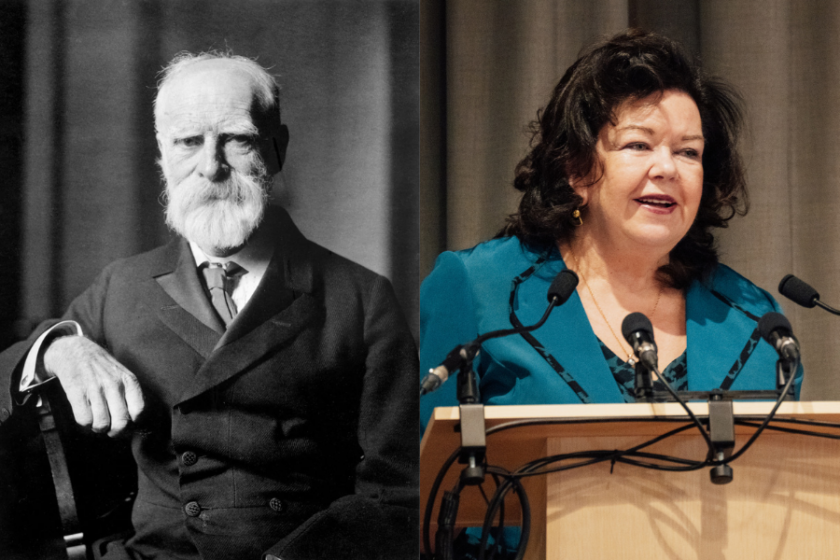
James Bryce, Viscount Bryce and Dame Karen Pierce
The James Bryce Memorial Lecture was instituted at Somerville in 1942 to commemorate the British academic, jurist, historian, diplomat and Liberal politician James Bryce, following a bequest from his widow two years previously. Lady Bryce appears to have made her bequest to Somerville, despite not having a direct connection to the College, because her husband had always been an ardent proponent of women’s education, and Somerville was the natural home for such a memorial.
For this year’s revival of the James Bryce Memorial Lecture, which had fallen into abeyance for some years, we were privileged to welcome Dame Karen Pierce. Dame Karen has garnered a number of firsts in the course of her stellar diplomatic career. She currently serves as the first female special envoy to the Western Balkans, where she manages the UK’s strategic objectives in the region. She is also the first woman to have served as UK ambassador to the US, a posting widely held to be the most prestigious in the British diplomatic service, in addition to holding multiple, multilateral roles at the highest level, including the FCO’s Director General for Political Affairs and the UK’s Permanent Representative to the United Nations in New York.
At this year’s lecture, Dame Karen began by delivering a brief, witty encomium to James Bryce’s many achievements as British ambassador to Washington, noting that some historians reckon Bryce as “the most successful ambassador who has ever represented Great Britain at Washington”. Dame Karen then used this portrait to ask how James Bryce would evaluate the UK’s current diplomatic priorities.
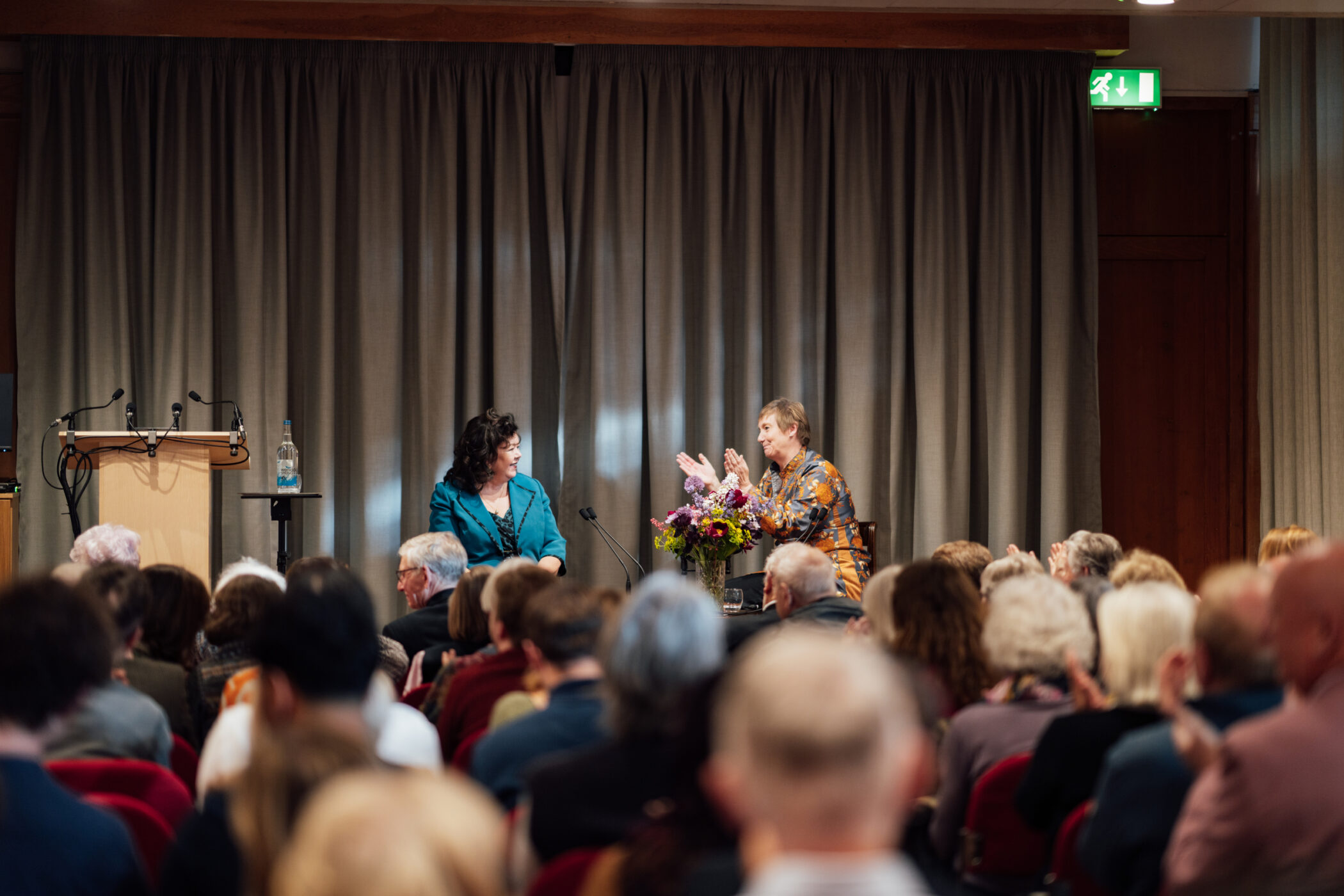 Introducing the James Bryce Memorial Lecture 2026
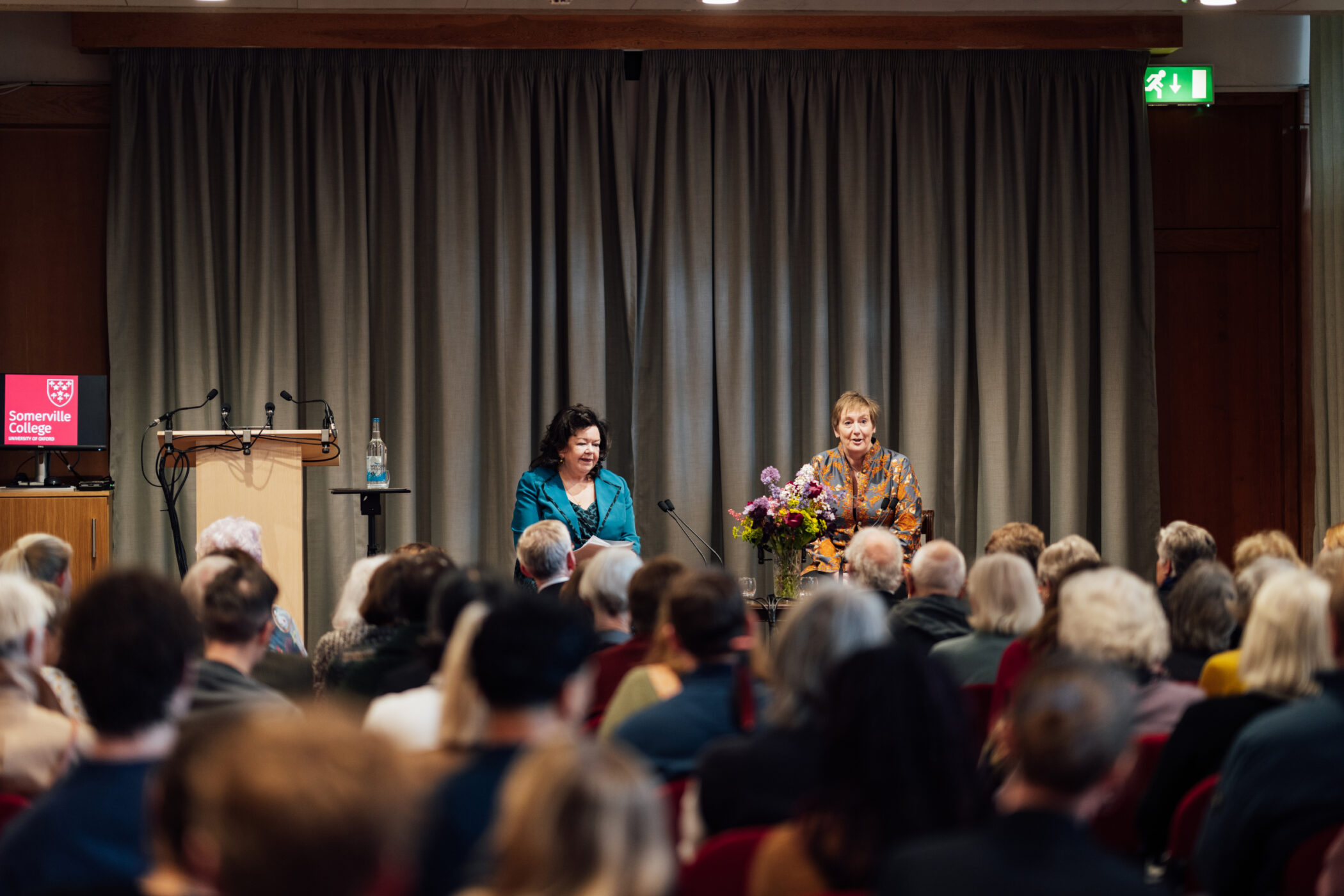 Somerville College Principal Catherine Royle introduces Dame Karen Pierce
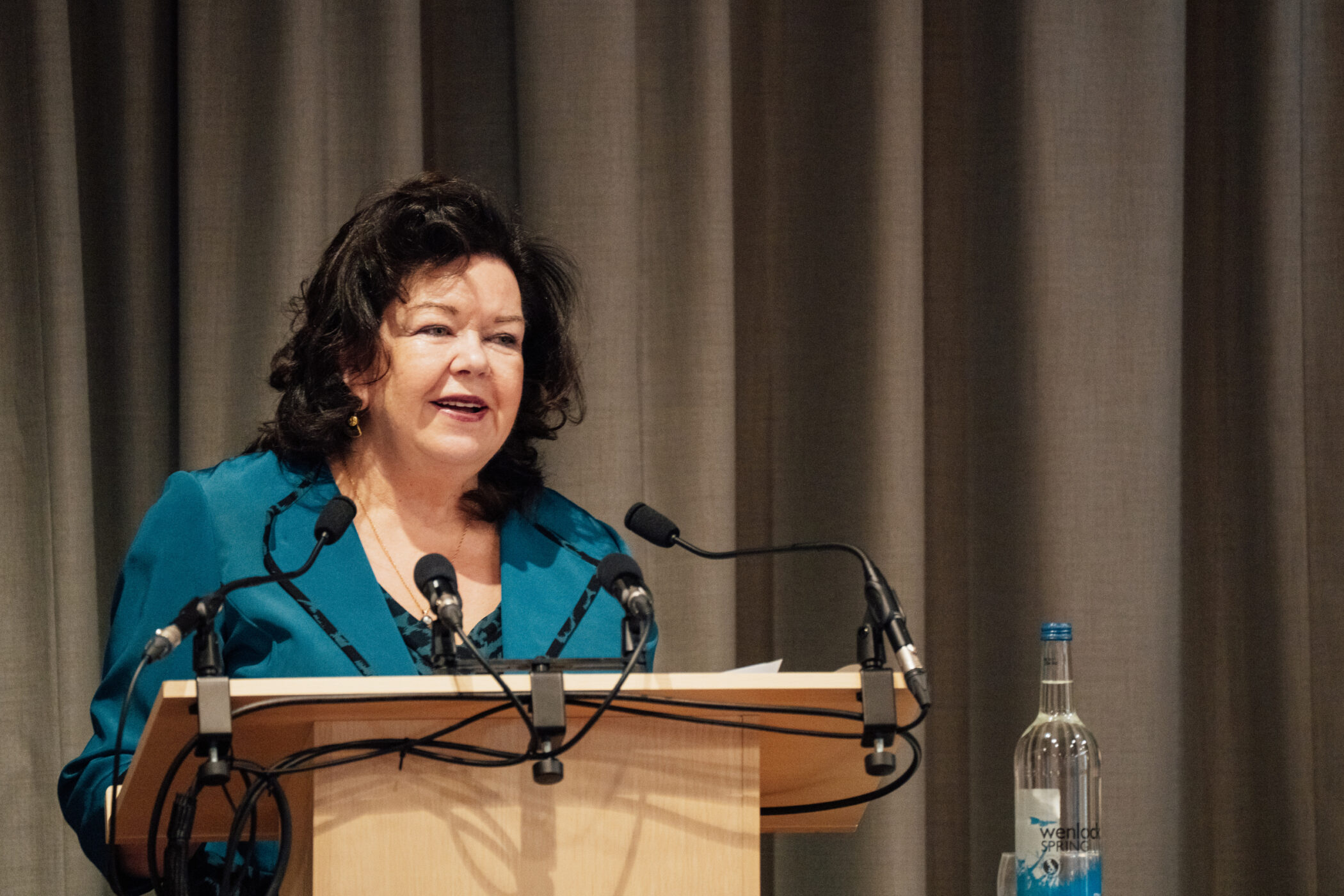 Dame Karen takes to the stage
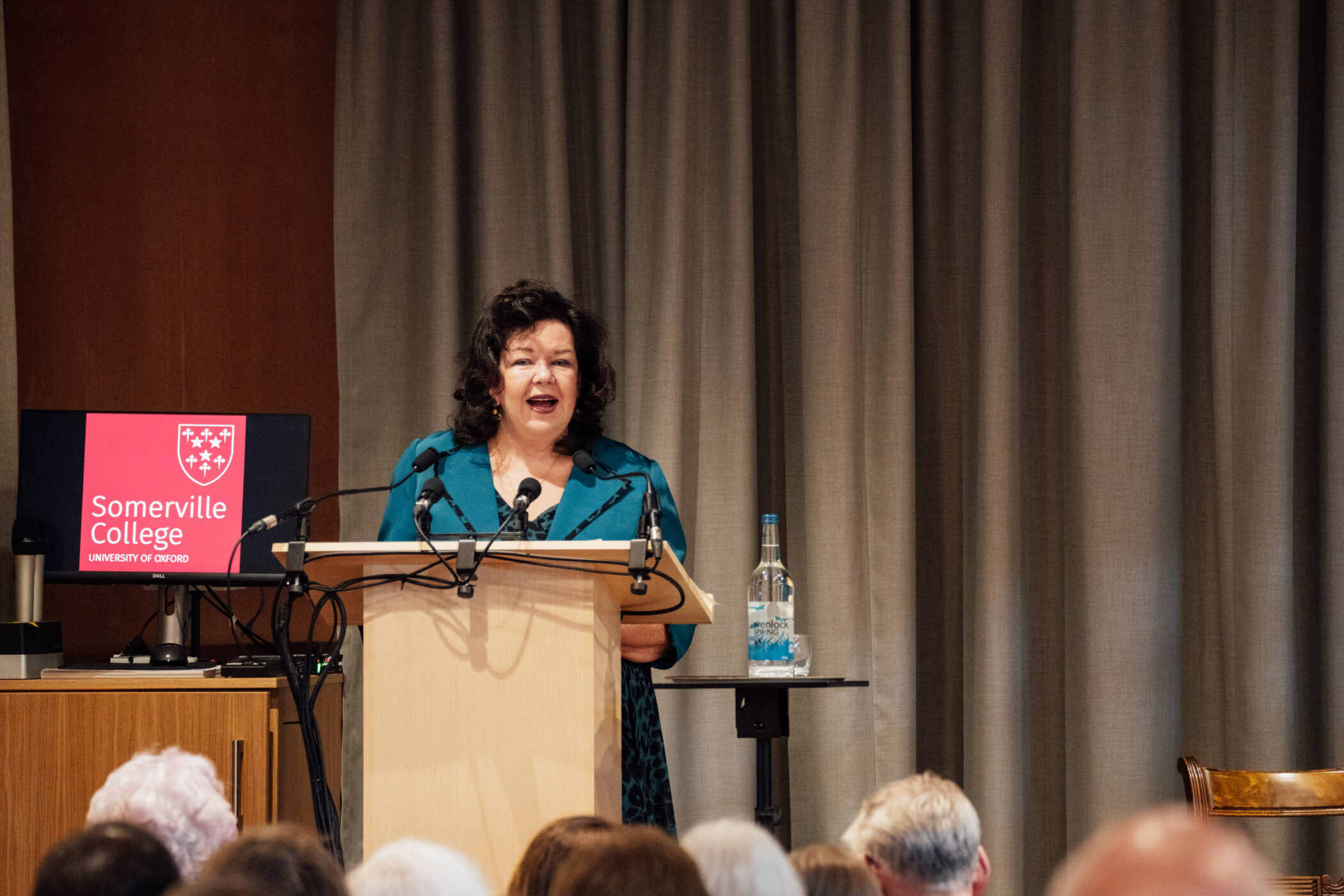 Dame Karen at the podium
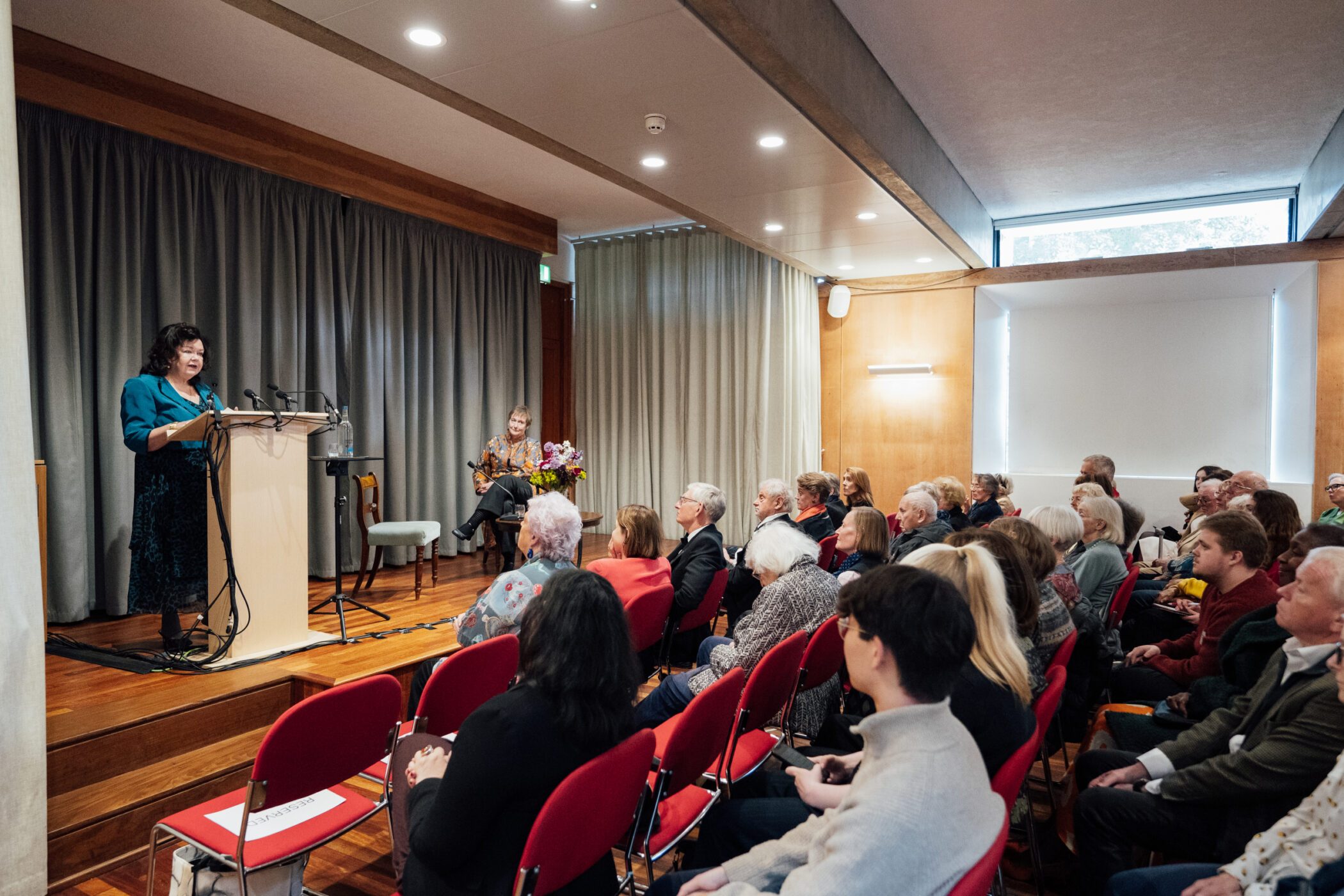 Guests at the Bryce Memorial Lecture
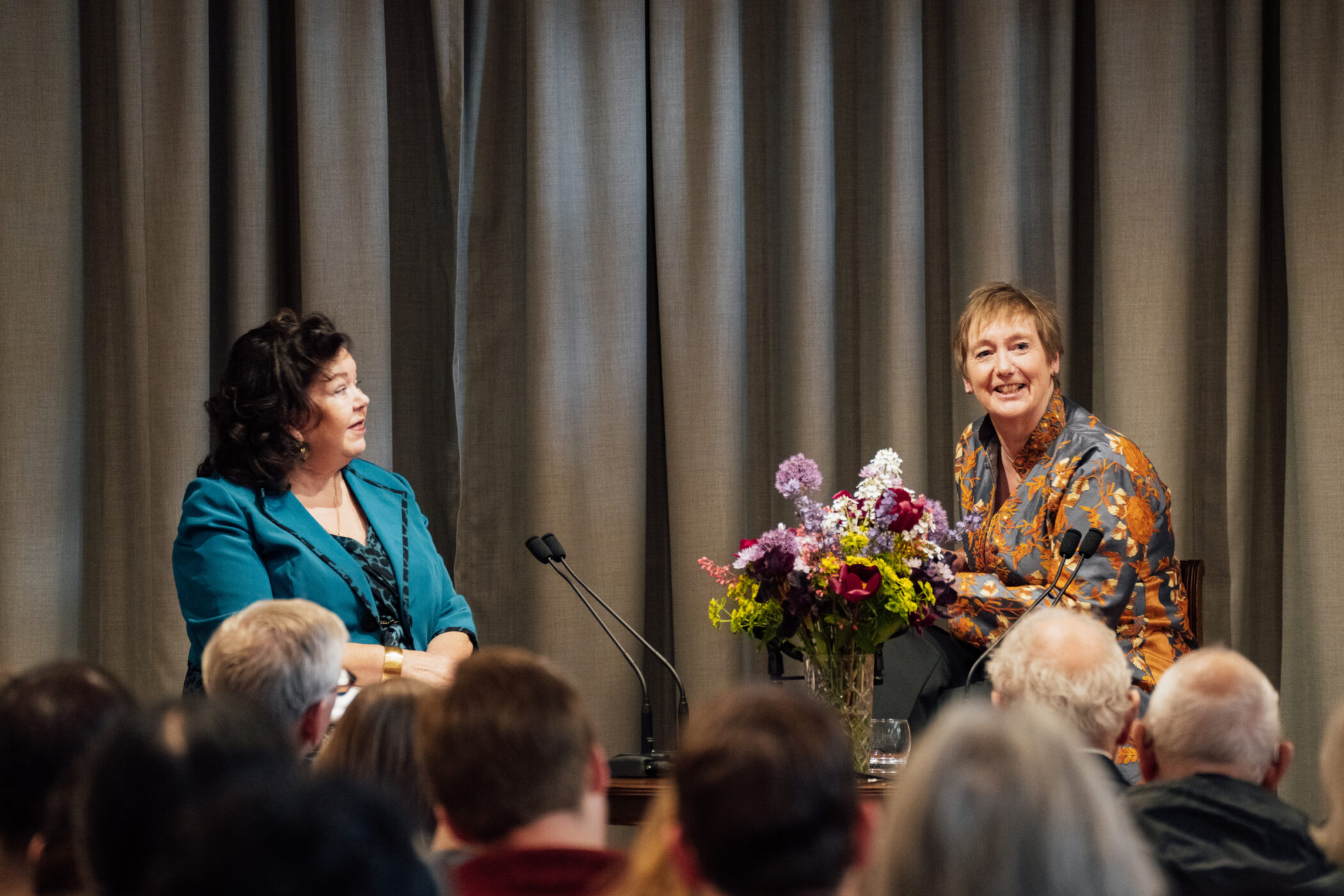 Principal Catherine Royle and Dame Karen Pierce reconnect during the fireside chat
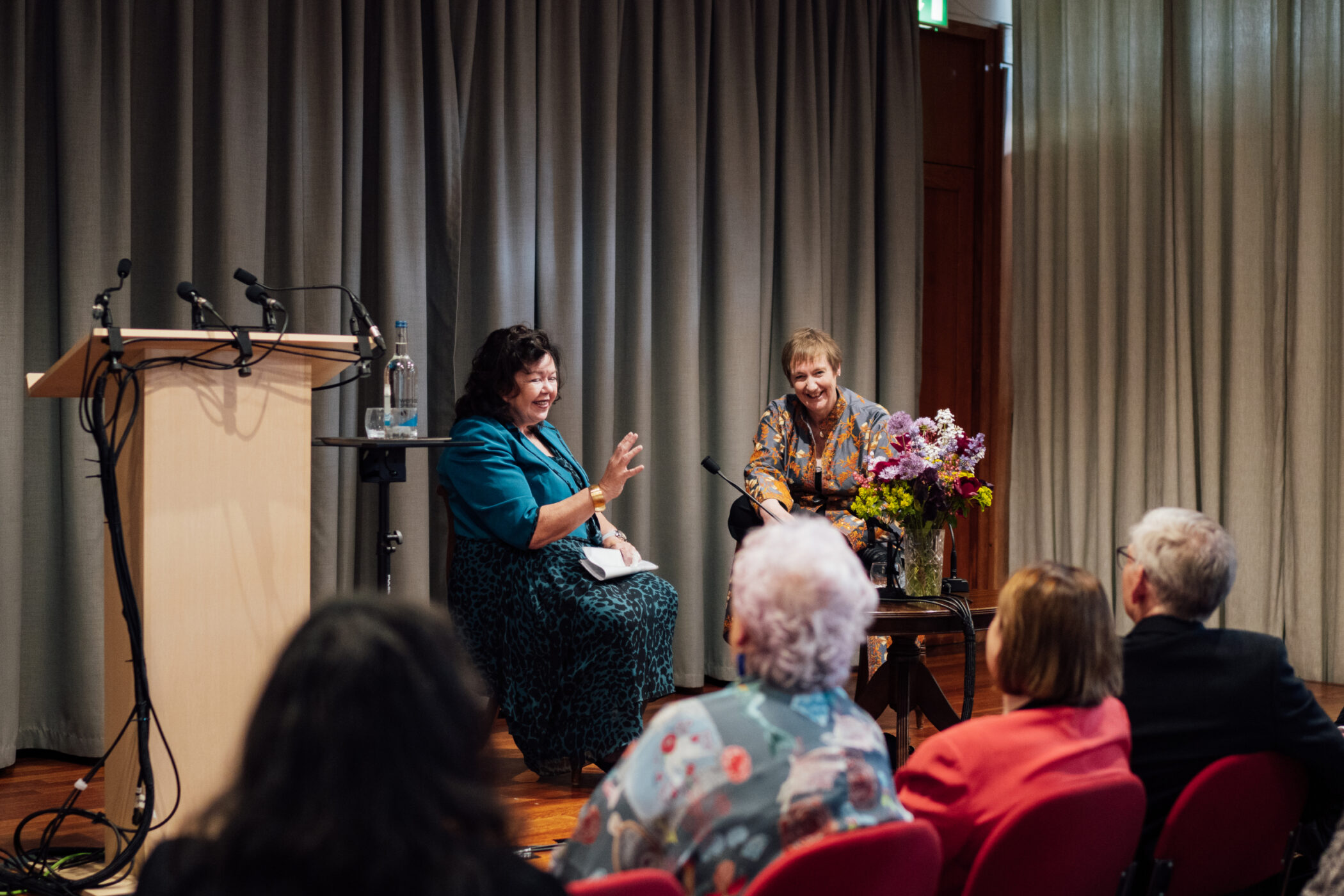 The Bryce Lecture 2026
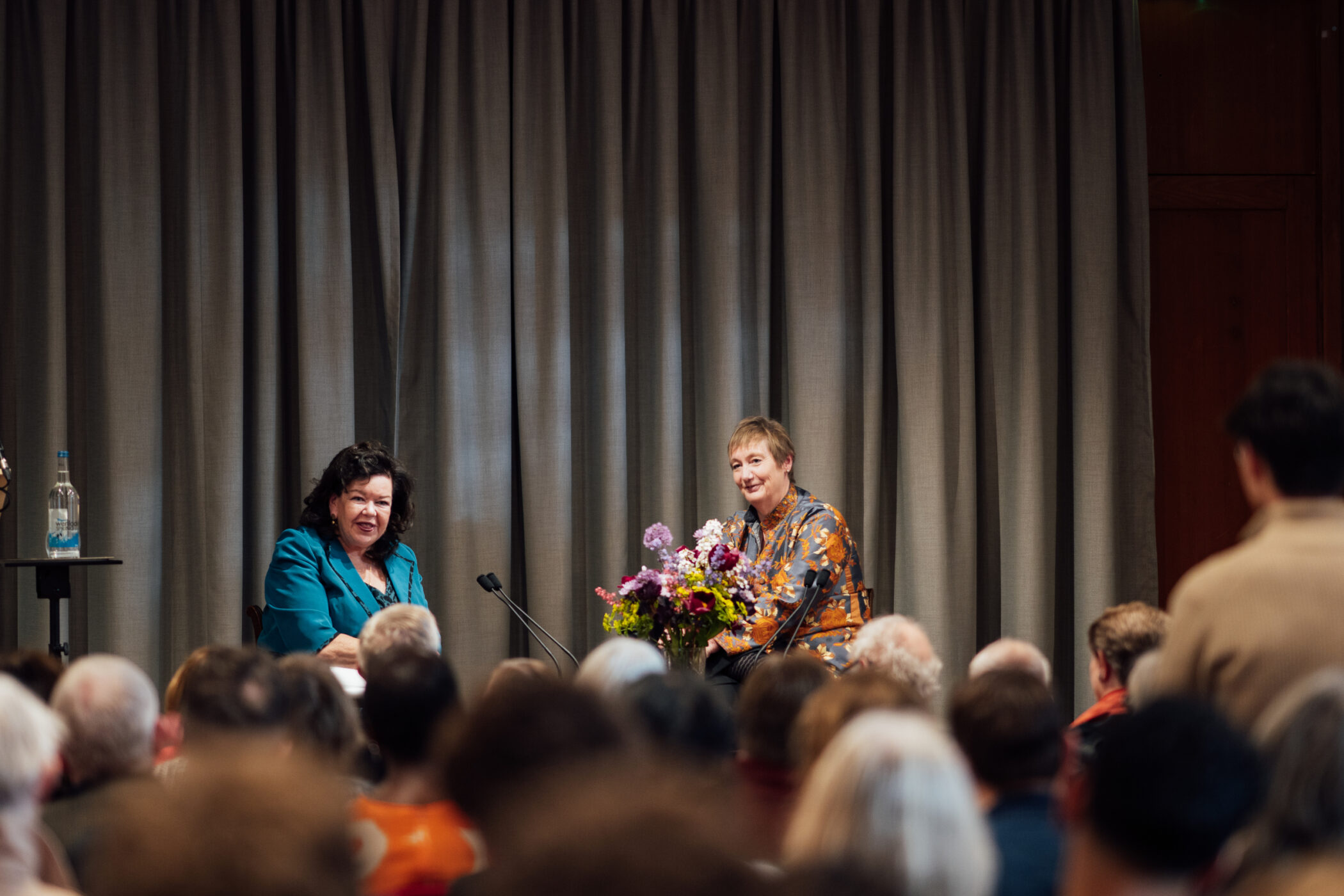 The Bryce Lecture 2026
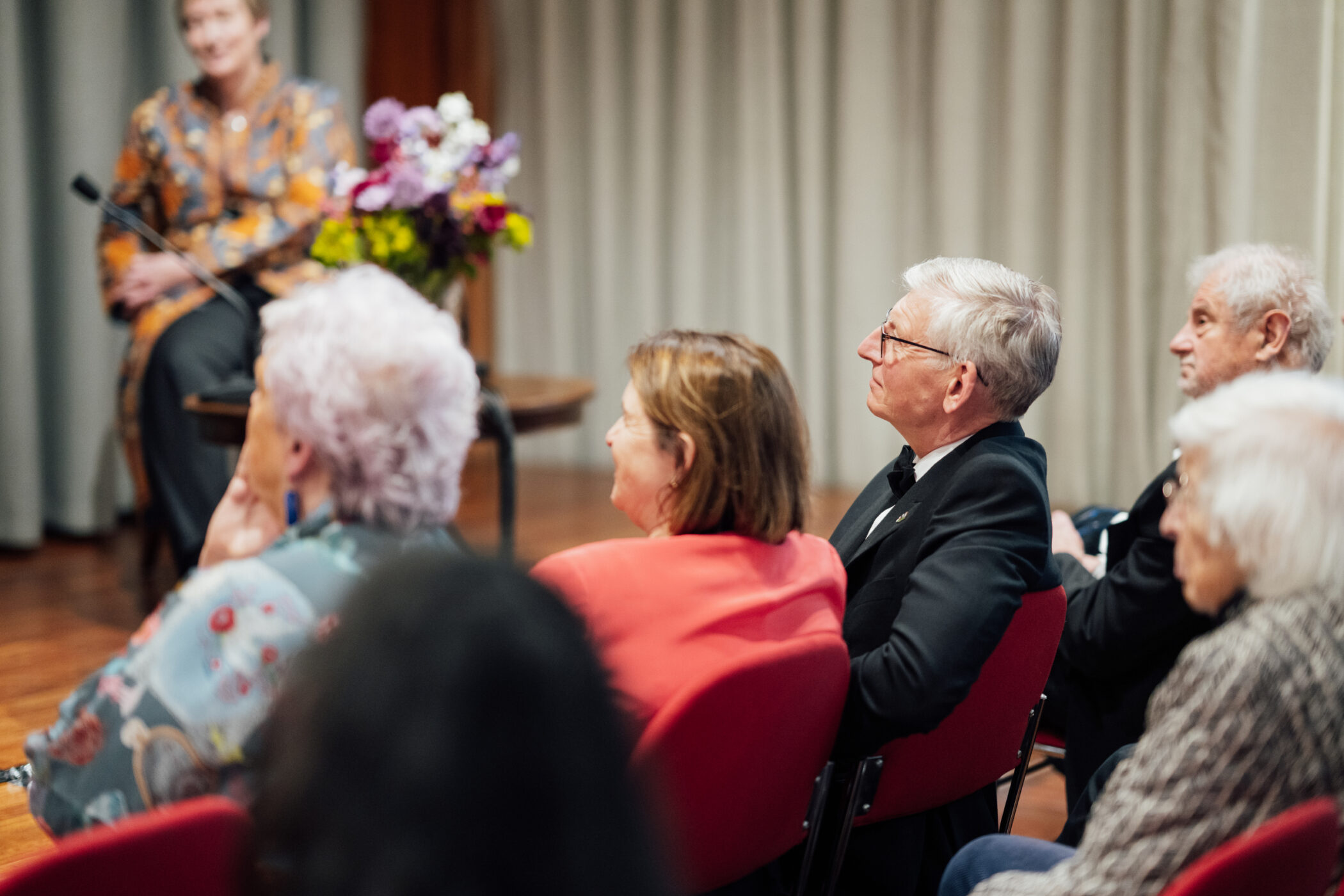 Guests at the Bryce Lecture 2026
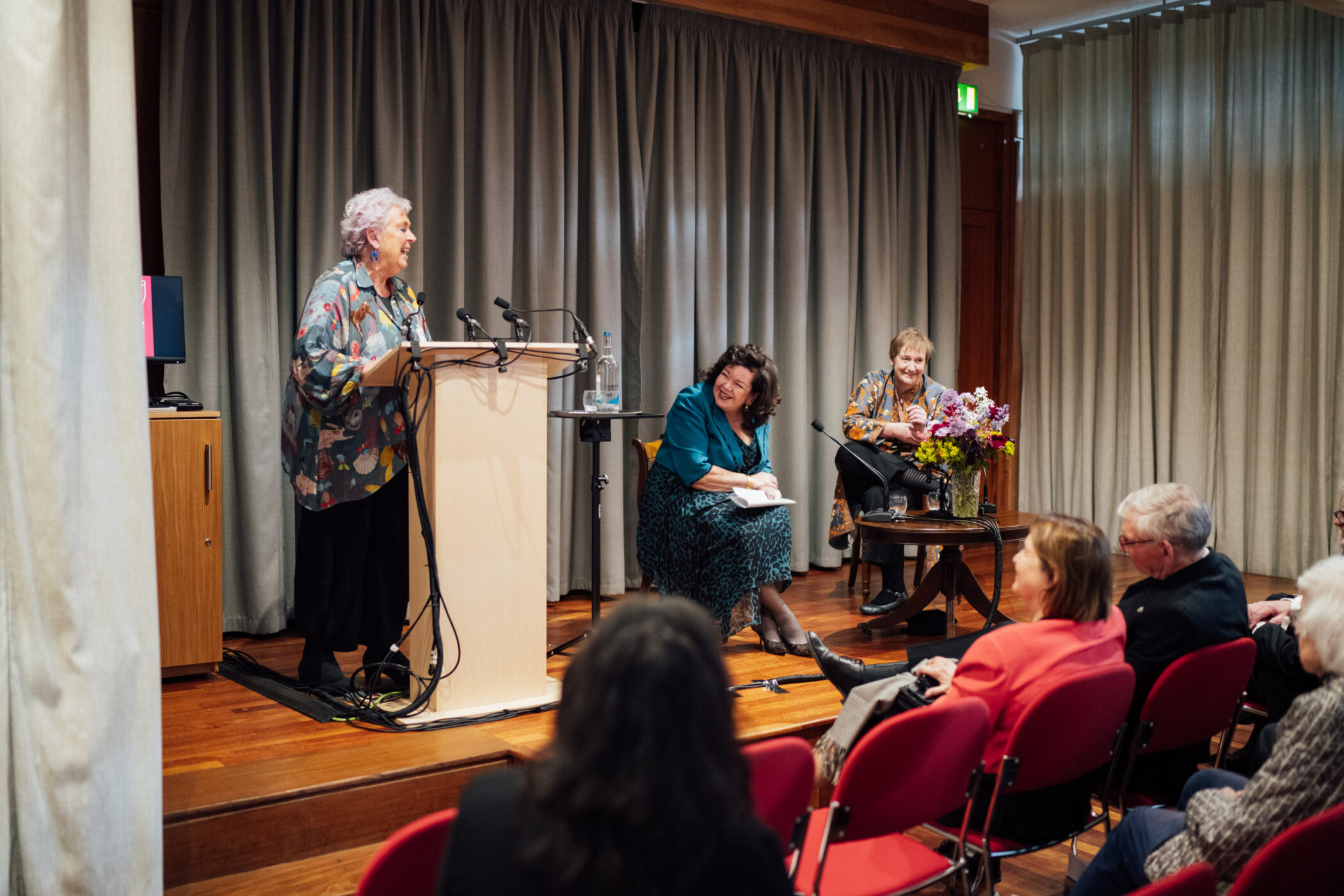 Former Chief Historian of the Foreign Office Gill Bennett asks a question
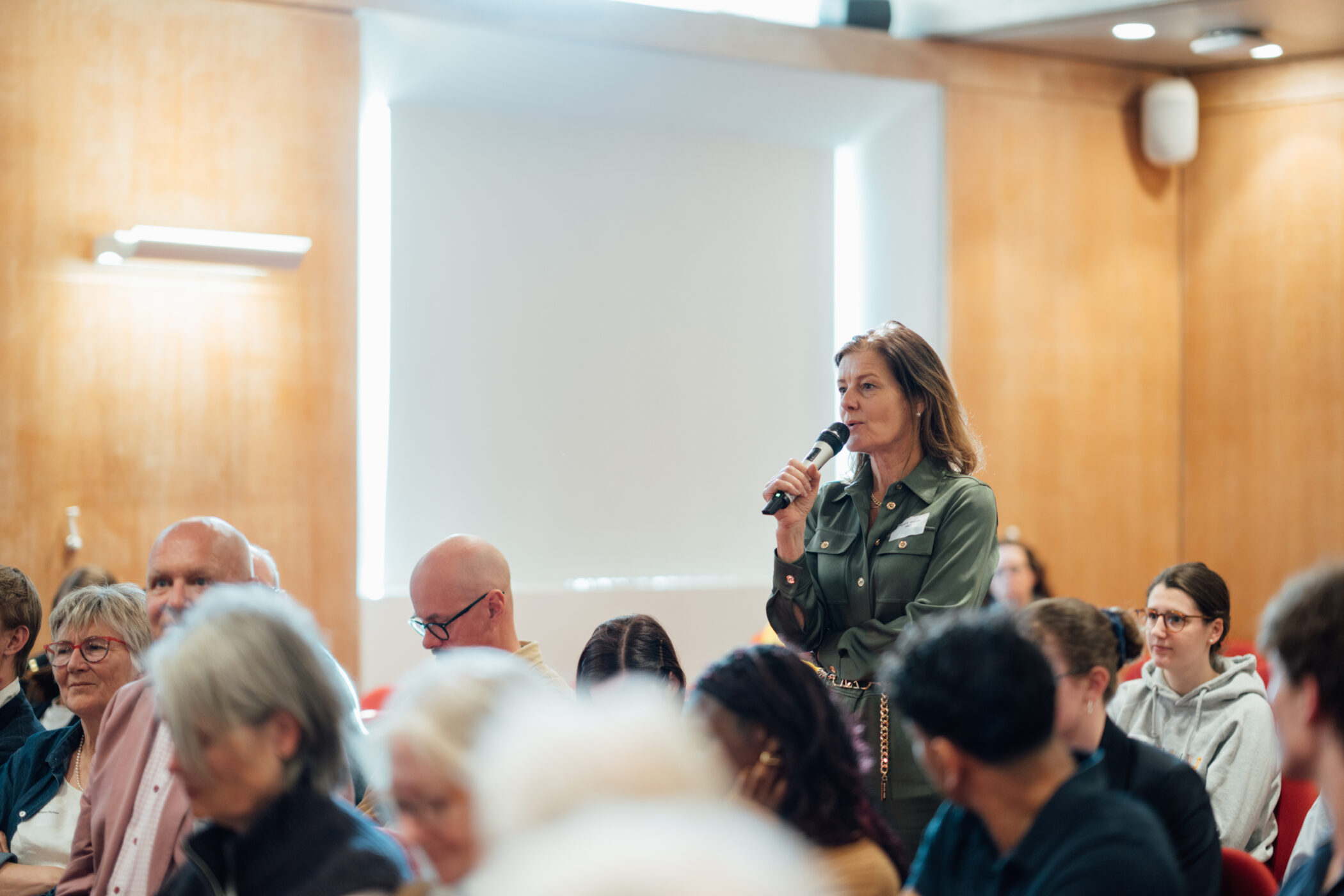 Professor Ngaire Woods, Dean of the Blavatnik School of Government
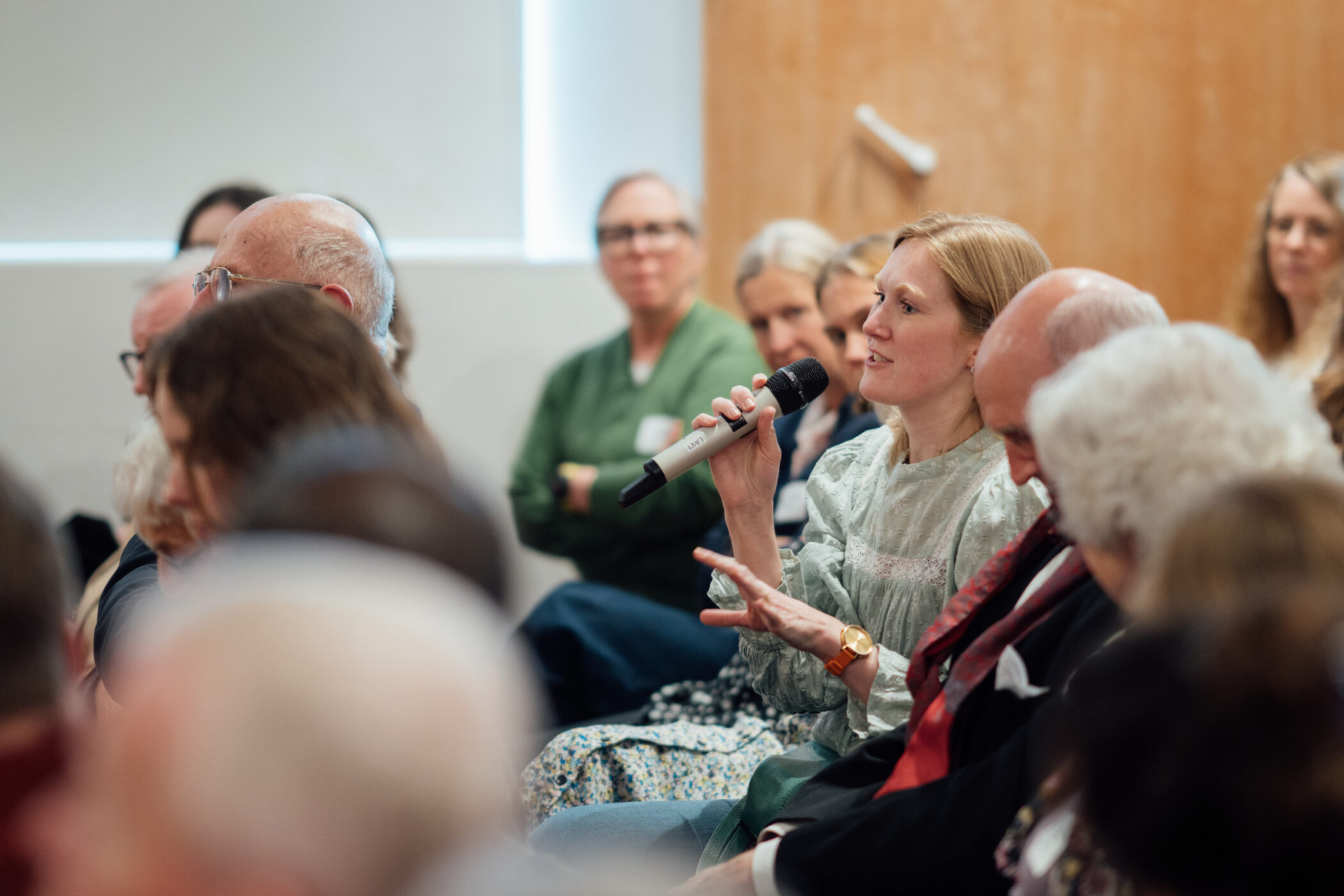 Another question from Oxford's diplomatic community
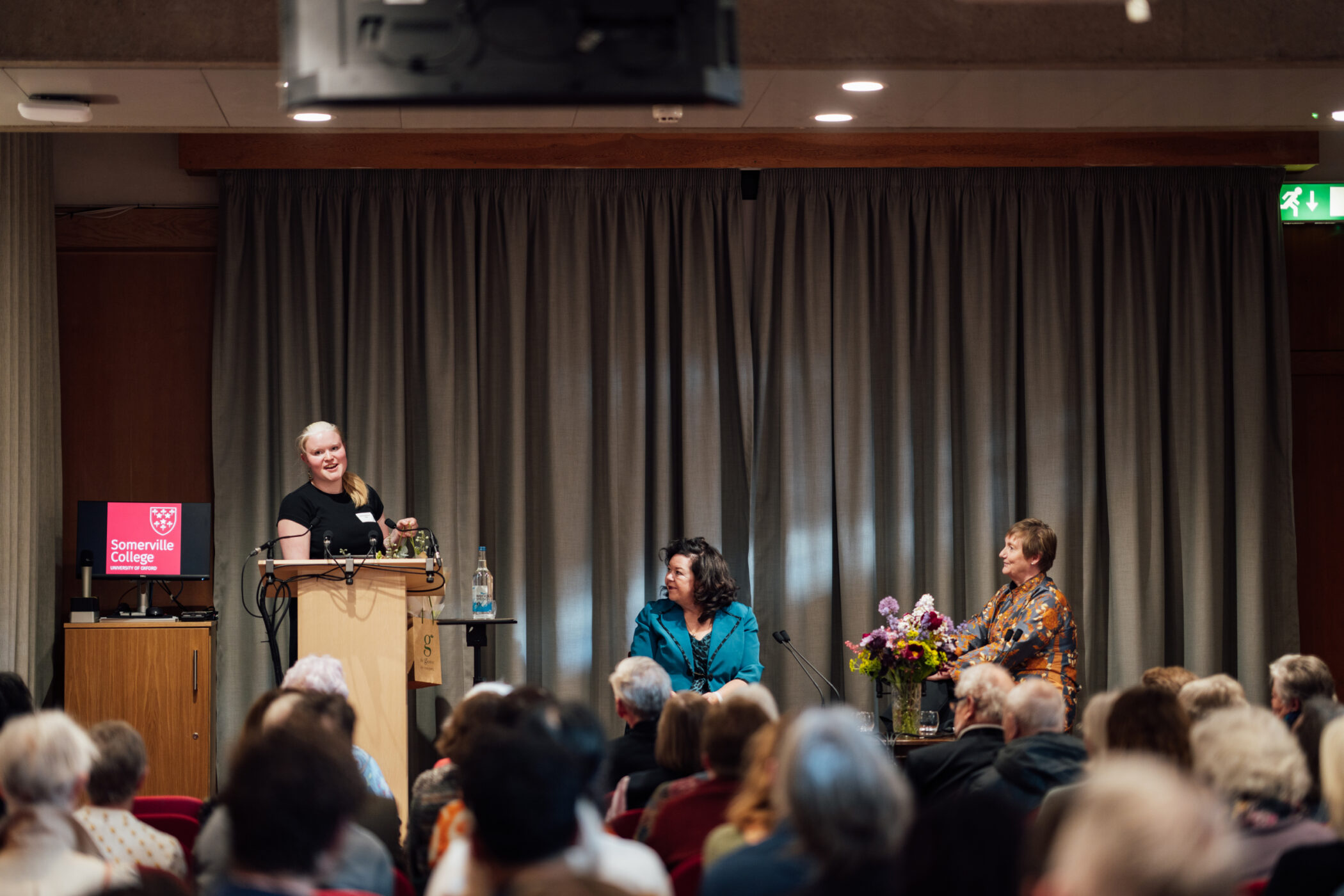 Somerville student and Oxford Diplomatic Despatch author Amelie Addison gives the vote of thanks
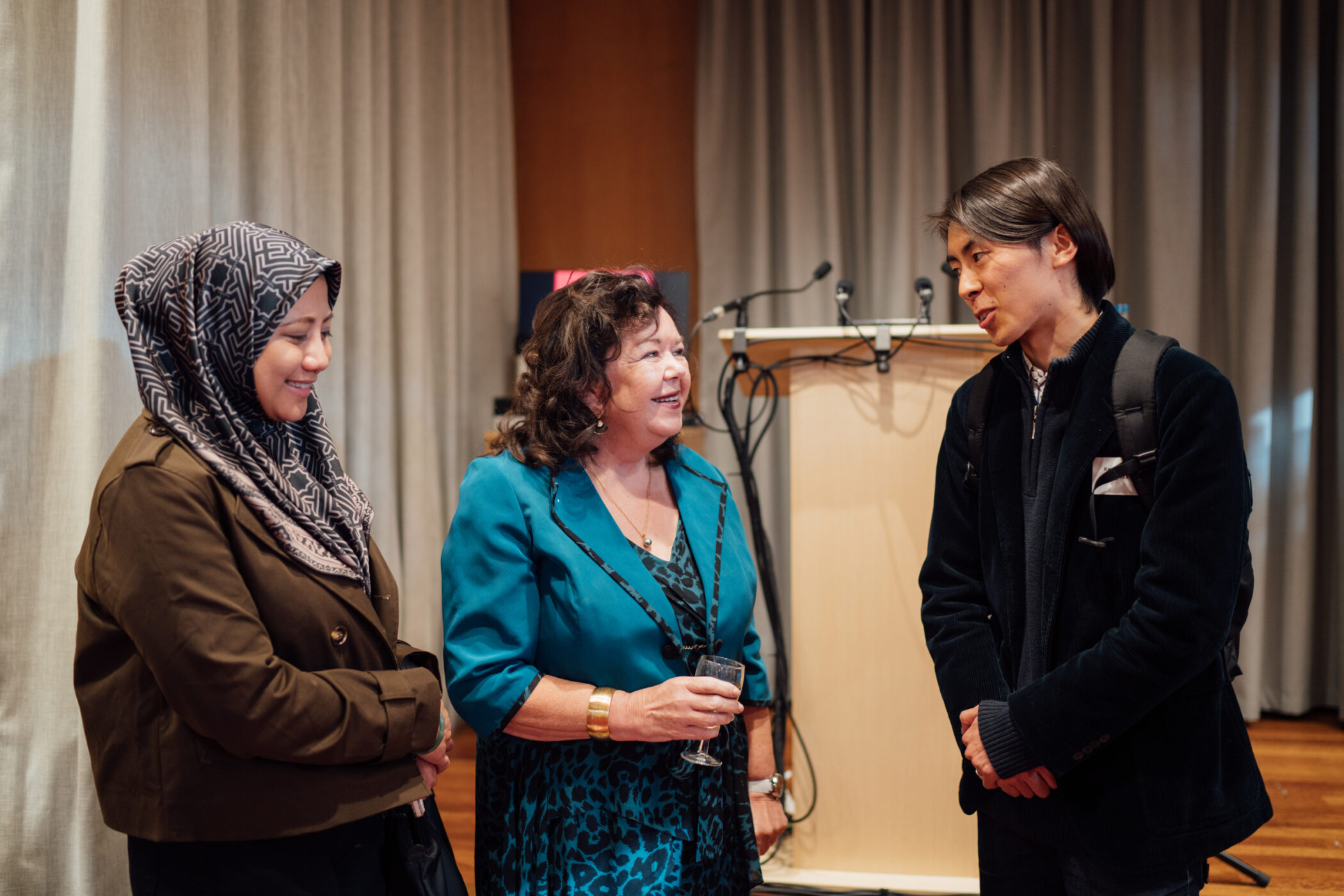 Dame Karen meets current students
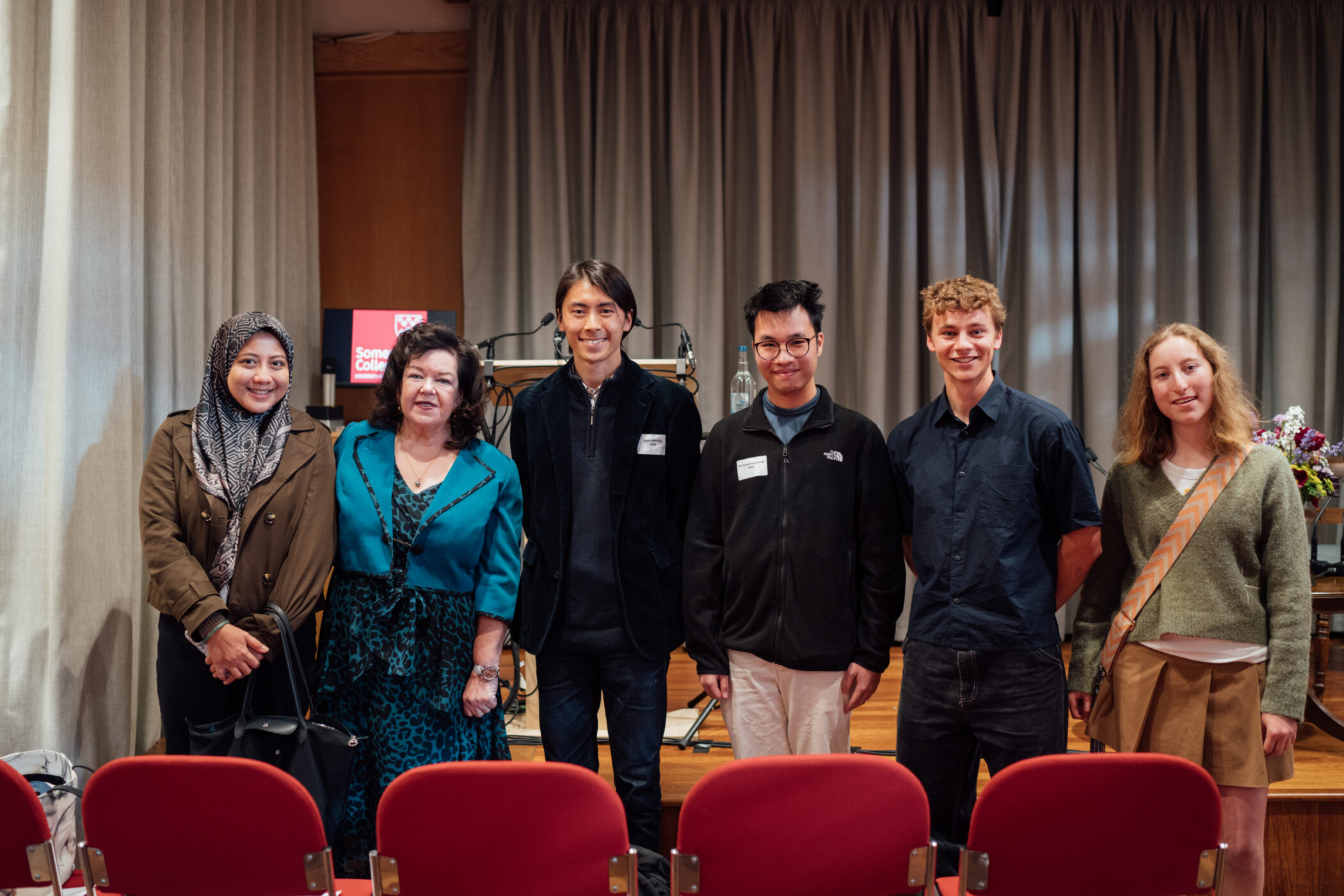 Dame Karen meets current students
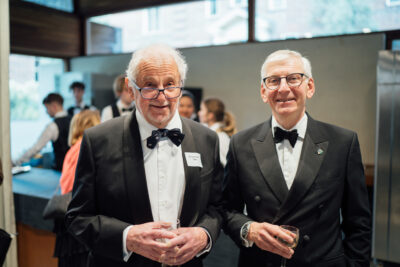
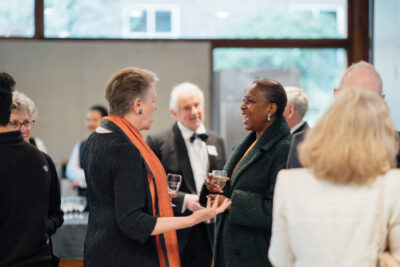
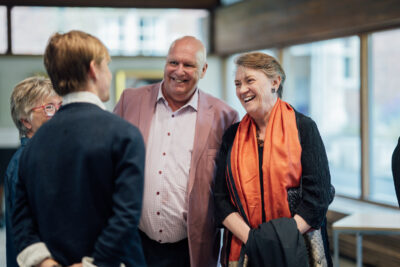
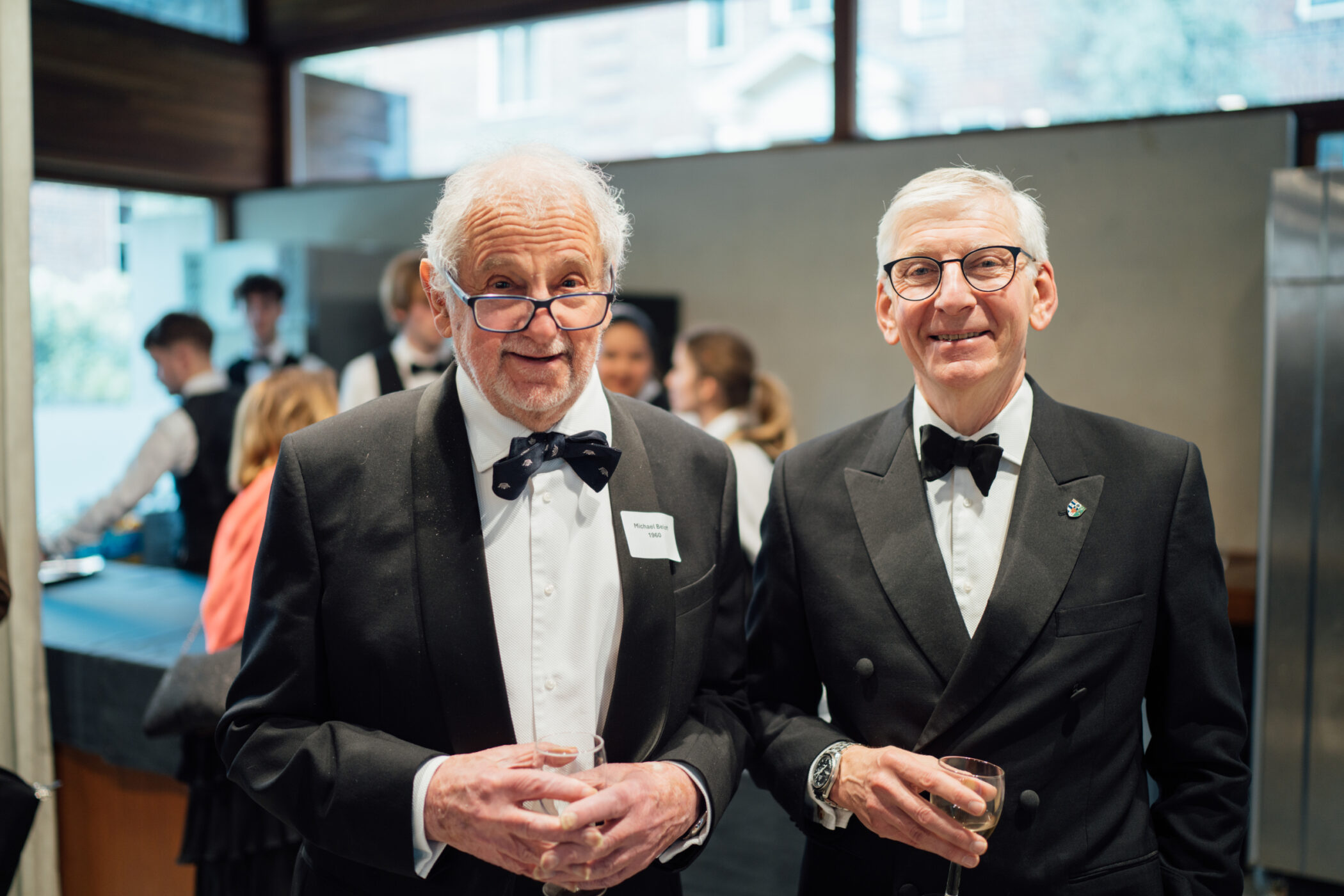 Guests at the reception
 Guests at the reception
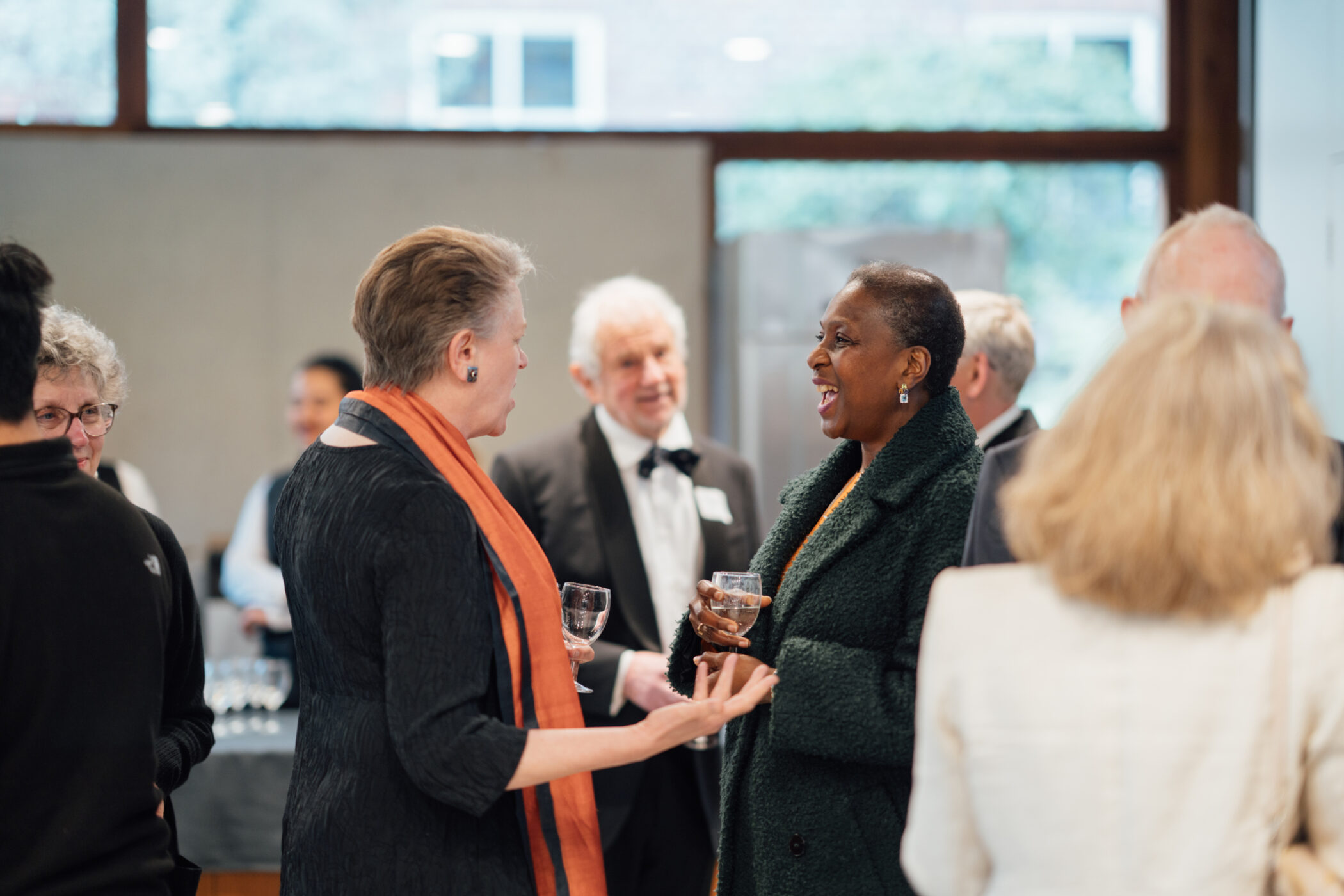 Guests at the reception
 Guests at the reception
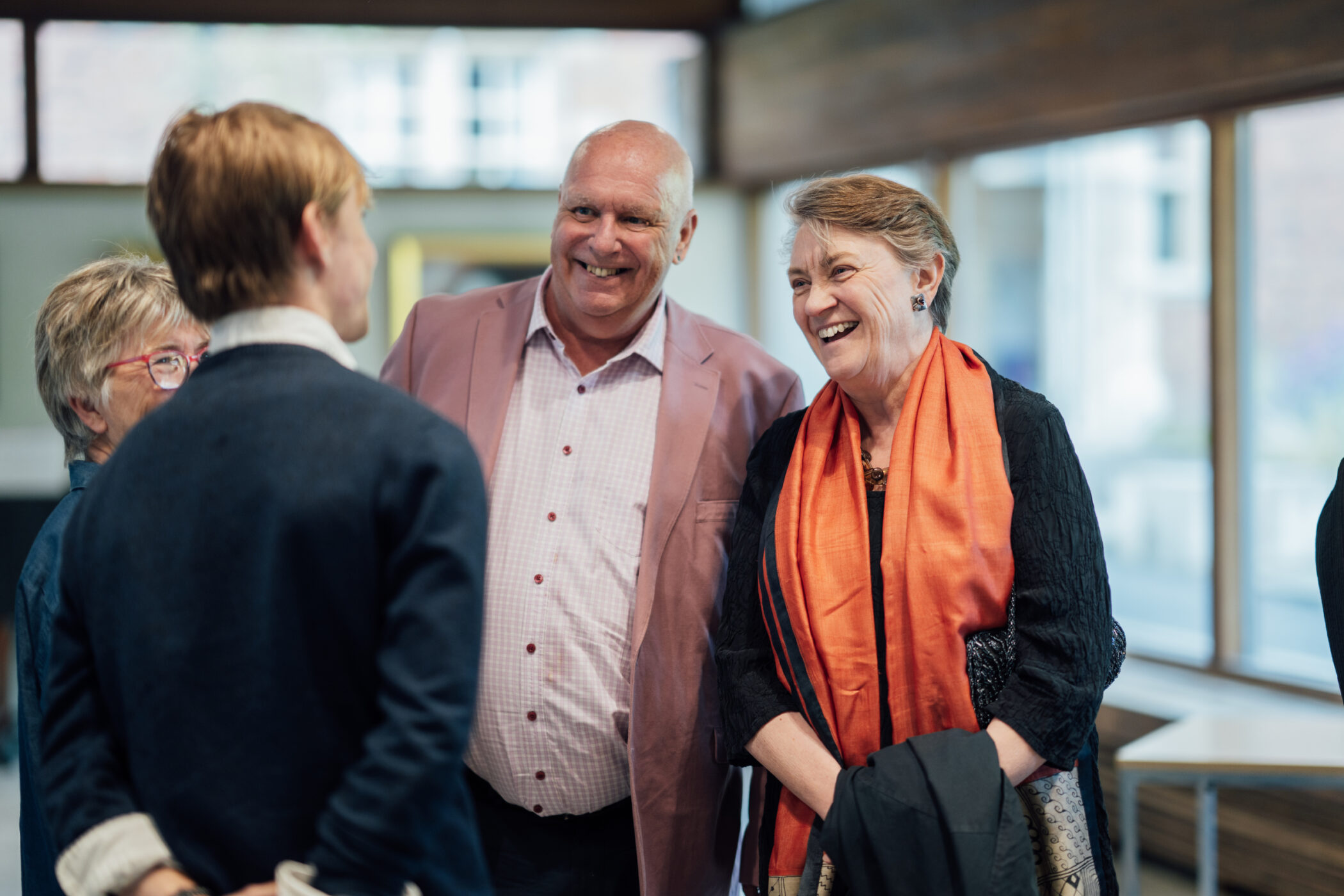 Guests at the reception
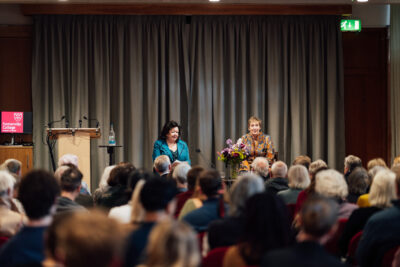
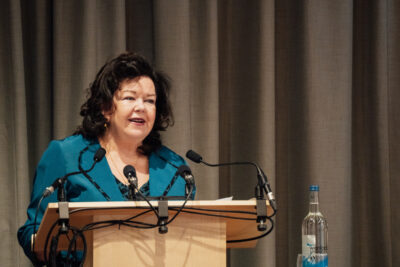
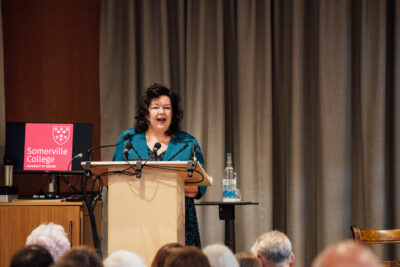
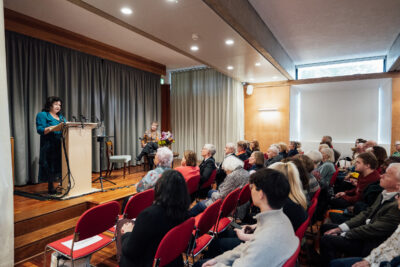
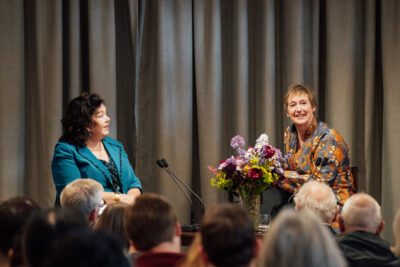
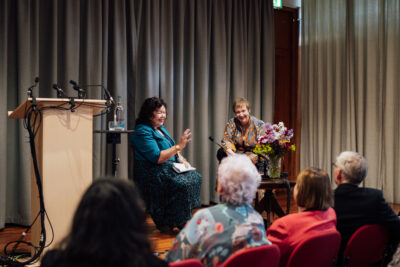
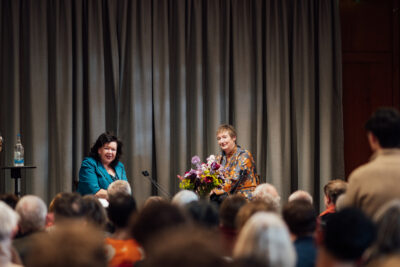
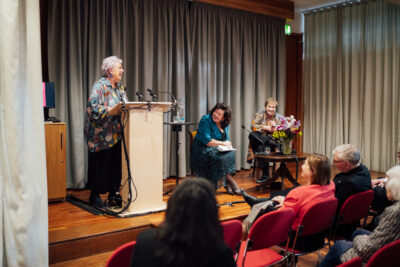
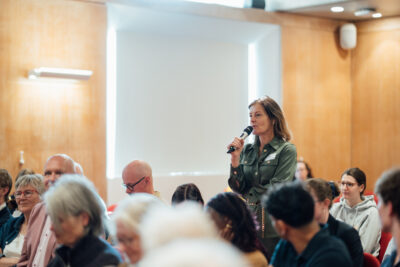
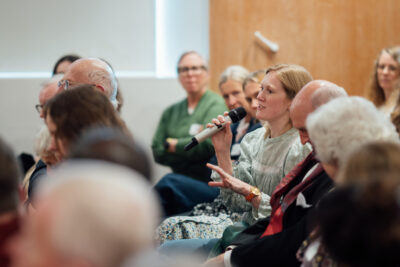
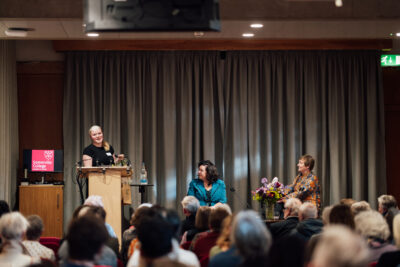
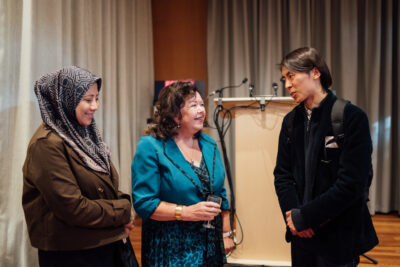
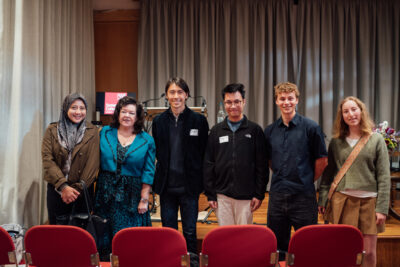


In a stunning point-by-point comparison, Dame Karen evaluated the UK’s recent foreign policy interventions across four key metrics: trade (the US deal gives a solid foundation to build upon); technology (UK AI & start-ups are not to be sniffed at); security (Bryce would have championed the UN, but supported its reform); and education (still a key priority, especially for women and girls globally). Finally, Dame Karen and Principal Catherine Royle enjoyed a fireside chat during which they took questions from the floor, including from members of the Oxford Diplomatic Society and Dean of the Blavatnik School of Government, Ngaire Woods.
Attended in equal parts by students, alumni and friends, this was a memorable event. It painted a vivid picture of British diplomats as resilient, politically sensitive animals who are less likely to conform to the caricature of arranging seating plans or sipping gin and tonics on the veranda than to be down at the bore hole, sorting out a clean water supply.