Dr Faridah Zaman is Associate Professor of the History of Britain and the World, and Fellow and Tutor of Modern History at Somerville. Her research interests include political and intellectual history in global and imperial contexts, and the role of religion in the history of ideas.

Professor Faridah Zaman
In this piece from the Somerville College Magazine 2026, Professor Zaman considers how the arrival at Somerville of the Duleep Singh sisters offers a unique lens on the history of women’s education in a changing world.
The University of Oxford has witnessed many seismic changes over its long and storied history, including the founding of its first women’s colleges in the late nineteenth century. Among them was Somerville: not only one of the first women’s halls, but also the first to be founded as a non-denominational institution.
We note this fact whenever we discuss Somerville’s establishment, but we rarely ask what this meant in the context of late-nineteenth-century Oxford.
Until the Universities Tests Act of 1871, individuals could not take higher degrees or hold fellowships and professorships if they did not subscribe to the thirty-nine articles (the “religion tests”) of the Church of England.
The abolition of tests in 1871 was therefore a significant milestone, confirming the University’s liberalising intent. It was regarded by many as a victory for a broad-minded vision of the British nation itself.
While this moment was important in opening the University to people of all faiths and none within Britain – especially non-Anglican Christians and Jews – my research suggests that it was also crucial for another group: students from outside Europe. It was only from the 1870s onward that students from India and elsewhere began to appear in alumni registers.
Many of these non-European students joined colleges, but a considerable number were ‘non-collegiate’ – they could study and earn degrees, but remained outside the privileges of college life. Some colleges argued that the presence of too many Indian students threatened the harmony of the student body. Non-collegiate students, in turn, bitterly regretted their inferior treatment.
This history might cast a different light on Somerville’s early years in several ways. First, it reinforces the significance of its founding as a non-denominational college.
Secondly, it helps to reframe the experiences of several Indian women at Somerville in the 1880s and 1890s. They joined Oxford at a time when the presence of students from India and other parts of Asia and the Middle East was no longer a novelty, but when questions of race and nationality now operated in more informal – and perhaps more pernicious – ways.
Though women as a whole, of course, experienced other, arguably more profound exclusions at the University, within colleges, Indian women were able to enjoy student life in a way sometimes denied to their male compatriots.
Two notable early Somervillians were the sisters Bamba and Catherine Duleep Singh, daughters of Maharaja Duleep Singh, the last ruler of the Sikh Empire in Punjab. Both studied Modern Languages in Somerville from 1890 to 1894.
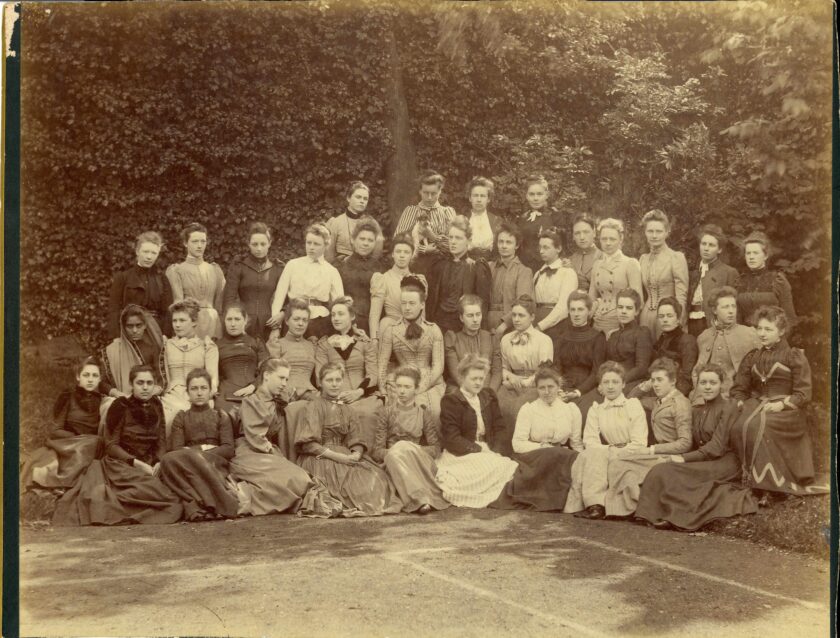
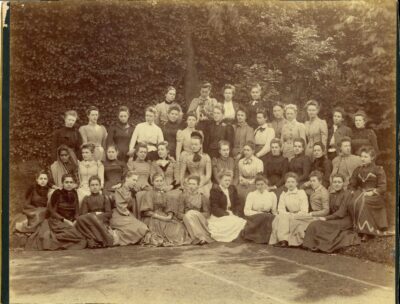
Ths students of Somerville Hall in 1891. The Duleep Singh sisters are bottom-left, with Cornelia Sorabji behind them. Future Principal Emily Penrose is aso present (third from right in the second uppermost row). Credit: Somerville College Archives
We don’t know precisely how they regarded their positions in Oxford, but for the historian, they resist easy categorisation. They were Indian – the daughters of an Indian ruler – but their father had been deposed by the East India Company in 1849 and virtually exiled to Britain thereafter. The sisters were born and raised in Britain and were, in many respects, model English women.
What’s more, though they were the descendants of the last Sikh Empire, their father had converted – possibly under duress – to Christianity as a child. He subsequently married a woman of Ethiopian German heritage, who was herself raised by missionaries in Egypt. Their children were raised as devout Christians.
Considerations of class and privilege add further complexity. The sisters enjoyed an aristocratic upbringing in Elveden Hall in Suffolk, which the Maharaja had remodelled to resemble a Mughal palace. But by the time they arrived in Somerville, their fortunes were devastatingly transformed: their father had left the family to return to India in an attempt to reclaim his throne, and their mother had died shortly afterwards.
After Somerville, Bamba and Catherine, along with their younger sister Sophia Duleep Singh, ‘came out’ at a debutantes’ ball in Buckingham Palace in 1895. But thereafter, they charted their own courses as women in a changing Britain – and, indeed, a changing British Empire.
In the early twentieth century, the three sisters were variously involved in suffrage politics, anticolonialism, and the support of Jewish refugees from Germany. Bamba, as the eldest daughter of the last Maharaja, was the only sibling to ‘return’ to India, settling in the Punjabi capital, Lahore. She spent much of her life attempting, unsuccessfully, to recover her father’s birthright.
The liminality present in even this brief account of Bamba and Catherine’s lives suggests that to see them as simply two “Indian princesses” at Somerville would be to overlook the considerable complexity that underlay their lives, both within Oxford and beyond it.
And though their lives were atypical, they highlight a wider lesson for writing histories of Britain in this period. British life was a composite of different peoples; the sisters remind us that those peoples, in turn, carried composite histories of their own.
Read more of Faridah’s research in ‘Provincialising Oxford: Empire, Religion, and the Idea of the University’, English Historical Review (forthcoming). The Last Princesses of the Punjab exhibition is on at Kensington Palace until 8th November 2026.
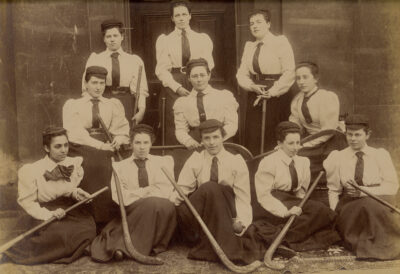
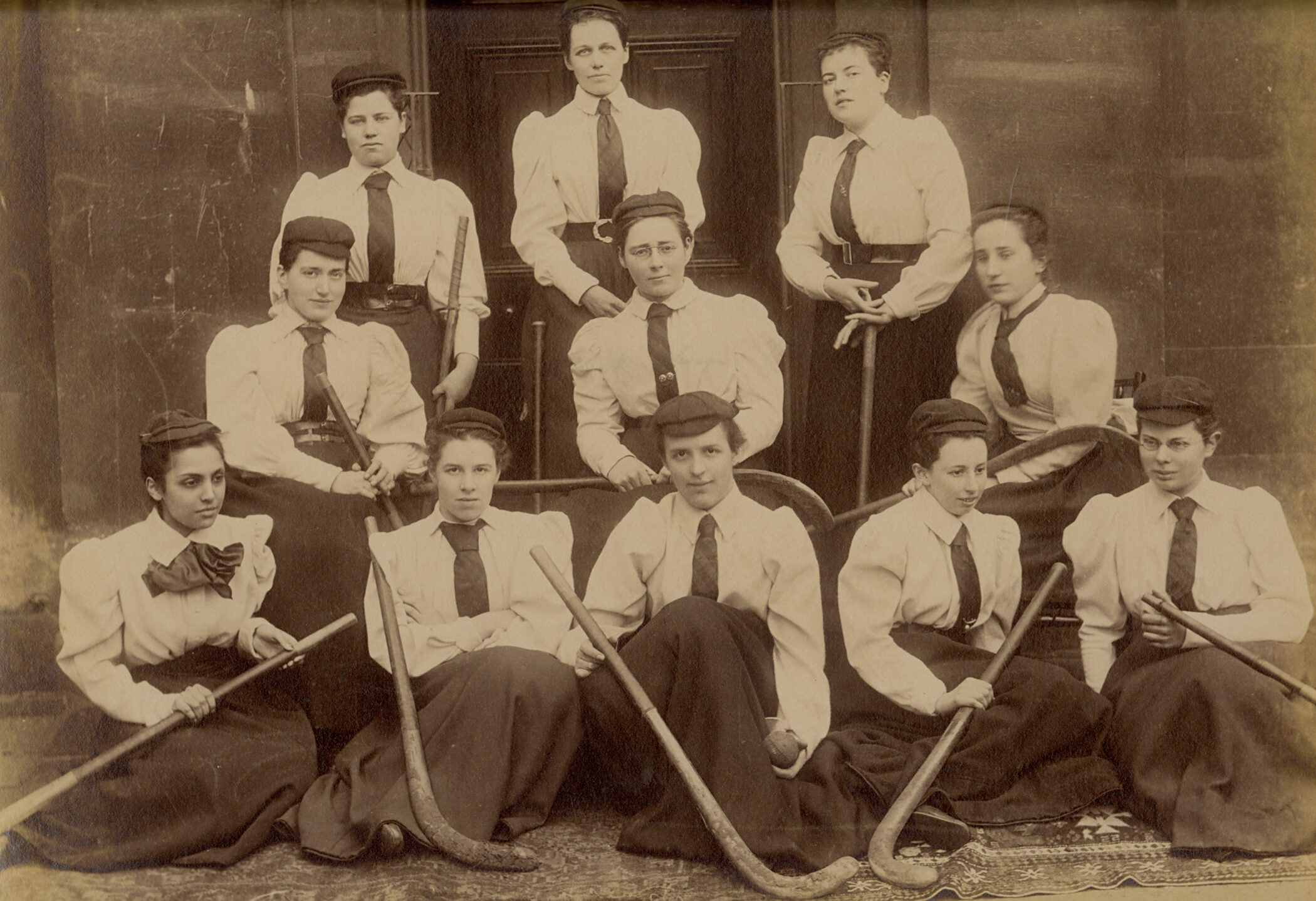 The Somerville College hockey team circa 1892. featuring Bamba (bottom left). Credit: Somerville College Archives
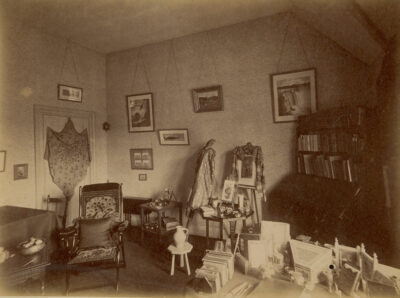
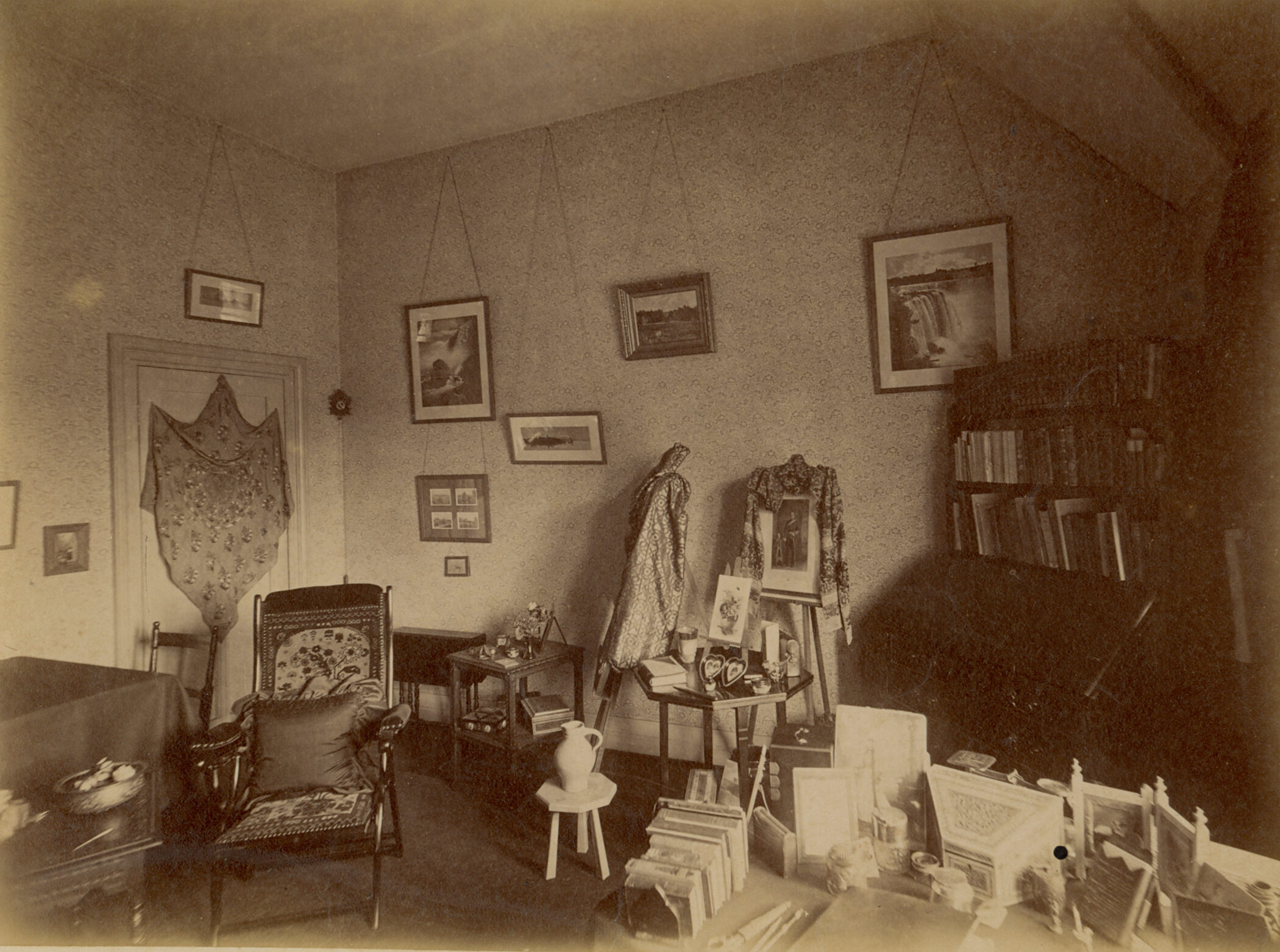 The Duleep Singhs' lovingly decorated study on the top floor of West, now Park. Credit: Somerville College Archives
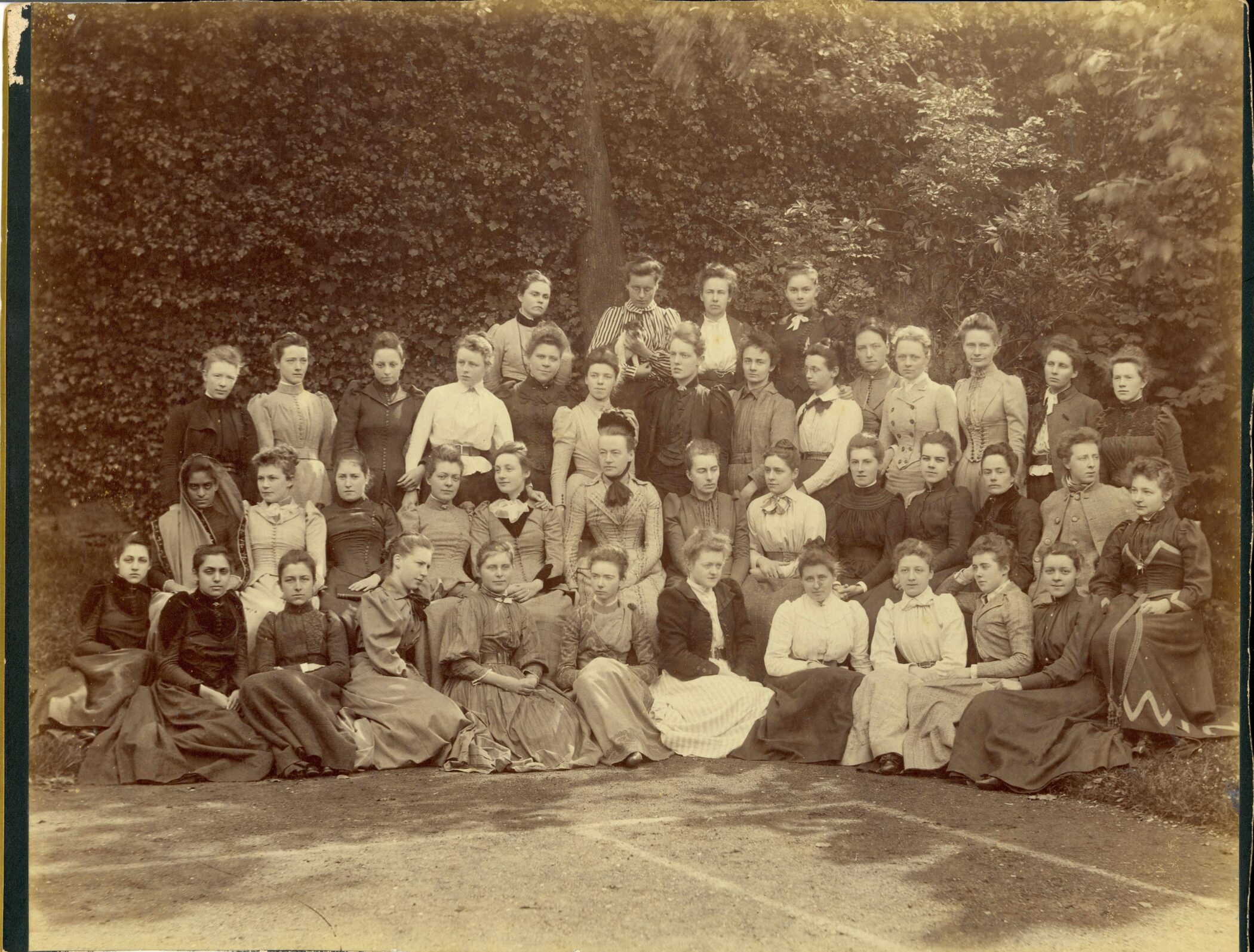 Ths students of Somerville Hall in 1891. The Duleep Singh sisters are bottom-left, with Cornelia Sorabji behind them. Future Principal Emily Penrose is aso present (third from right in the second uppermost row). Credit: Somerville College Archives