Afua Kyei (2000, MChem) is Chief Financial Officer of the Bank of England, an Honorary Fellow of Somerville College and placed #1 on the Powerlist 2026 as the most influential Black person in the UK. She joined us to explain the motivations behind her extraordinary career.

Afua Kyei at the Bank of England, 2026. Credit: TwinsDntBeg
If there is a golden thread running through Afua Kyei’s life, it’s the drive to find new ways of helping others.
It first began when Afua was a teenager, volunteering at Oxfam and giving out sandwiches to the homeless with her auntie. Behind those practical efforts lay her long-standing desire to become a doctor, inspired by her mum’s example as an NHS midwife.
When Afua reached her A levels, her mum was there again, this time to remind Afua that she could consider careers beyond medicine. Afua was showing real promise in chemistry by this point, having won the chemistry prize at school. “I had an amazing teacher and I thought, well, rather than being a doctor, if I become a chemist, perhaps I’ll be able to help create a drug to help with the effort to cure cancer.”
If Afua was going to read Chemistry, there was only one place to do it. “I wanted to study at Oxford because I knew it had the most intense chemistry degree in the UK, respected around the world for the quality of the intellect and innovation it produces. I also liked the fact that, beyond the core fundamentals like quantum mechanics and organic chemistry, I could take options in the history and philosophy of science, as well as some German.”
Afua arrived at Somerville in 2000, and loved the next four years. She paints a picture of a vibrant intellectual scene: learning to hold her own in tutorials with multi-talented tutorial partners, exploring the curriculum, and relishing the opportunity to work alongside world-famous chemists, postdocs and students at other colleges.
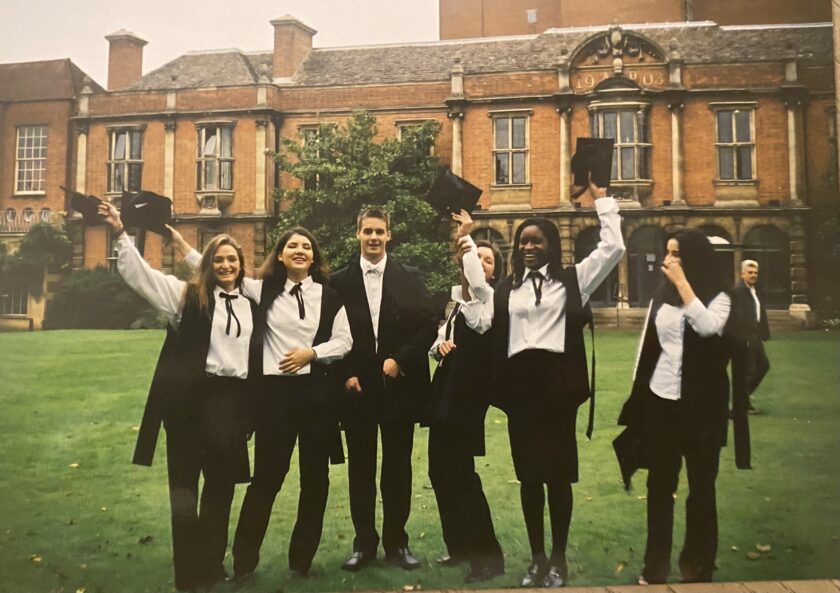
Afua and friends during their student days at Somerville College
In her fourth year, Afua was chosen to join the research group of the Waynflete Professor of Chemistry Sir Jack Baldwin for her Part II research project. This was a great accolade, but not without pressure – and for the first six months none of Afua’s experiments produced new breakthroughs.
It was here, when things looked like they might go wrong, that Afua learned some of her most important lessons. “The Part II taught me the importance of persevering, of looking at a problem from multiple angles, but also having the humility to talk to other people when you get stuck.”
It was by talking to Professor Baldwin, and his colleagues Dr Victor Lee and Dr Rob Baldwin, that Afua broke her deadlock. She created 70 new anti-tumorous molecules that year, and her Part Two work was published in an international journal. More importantly, Afua’s experiences on the Part Two created a blueprint for problem-solving that she still relies on today.
“I think the scientific method I learned at Oxford translates well to finance because it’s evidence-based and data-driven, but you also learn to be creative, to try new things without fear of failure and distil complex problems into narratives that can be easily communicated.”
Following a Junior Research Fellowship at Princeton, Afua set to work applying these lessons. She qualified as a Chartered Accountant with Ernst & Young in 2007, after which her progress was meteoric: five years as an investment banker at UBS, then seven years at Barclays, where she rose to Chief Financial Officer, Mortgages.
In 2019, Afua was appointed Chief Financial Officer of the Bank of England. She was just 36 years old, making her the Bank’s youngest executive Director and first Black executive director in over 332 years.
“Negotiating the levy required a great deal of stakeholder management…but the result is a system that works better for everyone”
One of Afua’s proudest achievements, she says, was modernising the loss-making historic funding mechanism by which the Bank covered its policy costs. In its place, Afua proposed the groundbreaking “Bank of England levy”, which required primary legislation. This means that the Bank is now able to recover 98% of its costs while giving its stakeholders greater transparency around the charges they pay.
“Negotiating the levy required a great deal of stakeholder management, working with our Markets division across the Treasury and banks, but the result is a system that works better for everyone.”
Afua’s successful creation of the levy embodies all the learning from her years at Oxford. But how does a role in finance link back to the girl who dreamed of being a doctor, or the student who wanted to cure cancer?
One answer is that Afua has advocated tirelessly for diversity and equality over the years. She currently serves as the Bank’s Executive Co-Sponsor for both DEI and Climate Change disclosure, and works hard to ensure that the financial sector truly reflects the diversity of our society.
A better answer is that Afua feels that the work she does for the Bank is the best way by which she can help the most people. “I’m very conscious that we’re here to serve society. The decisions we make influence every household, every business and British society as a whole, so the work feels deeply purposeful.”
Earlier this year, the Powerlist recognised Afua’s professional and cultural contribution by naming her the most influential Black person in the UK. With typical generosity, Afua’s reflections on this accolade focus on how her story might benefit others.
“I thought it was great that somebody from the business world was recognised, because that’s something tangible young people can relate to. I think it showed that, even if you are doing a normal job, you can use your influence to help others.”
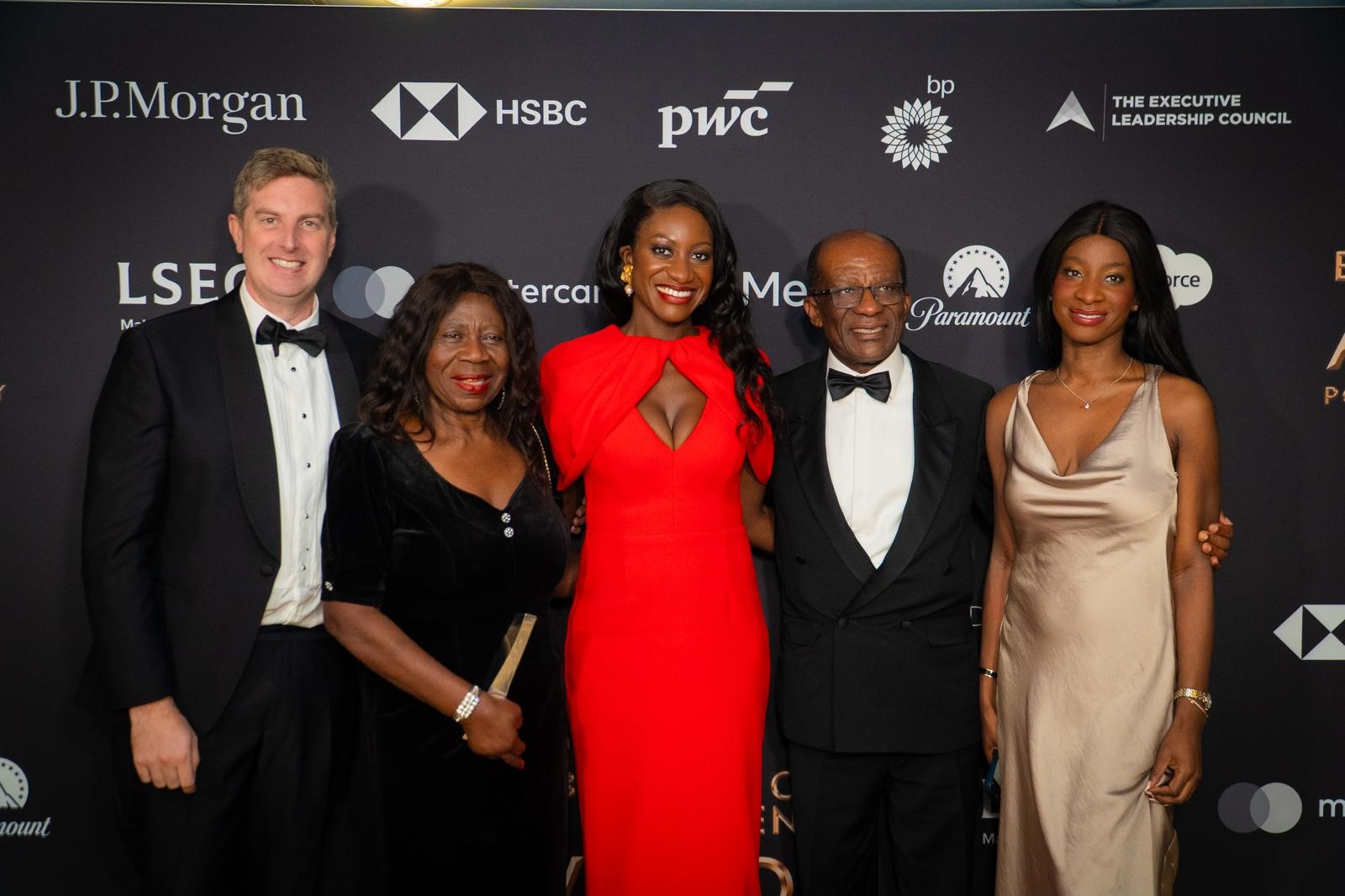 Afua and her family on the Powerlist red carpet, 2026
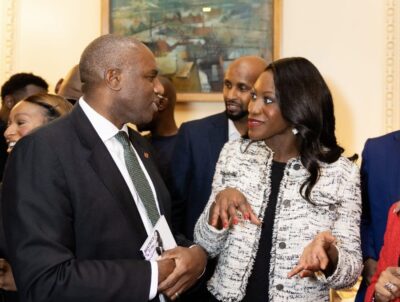
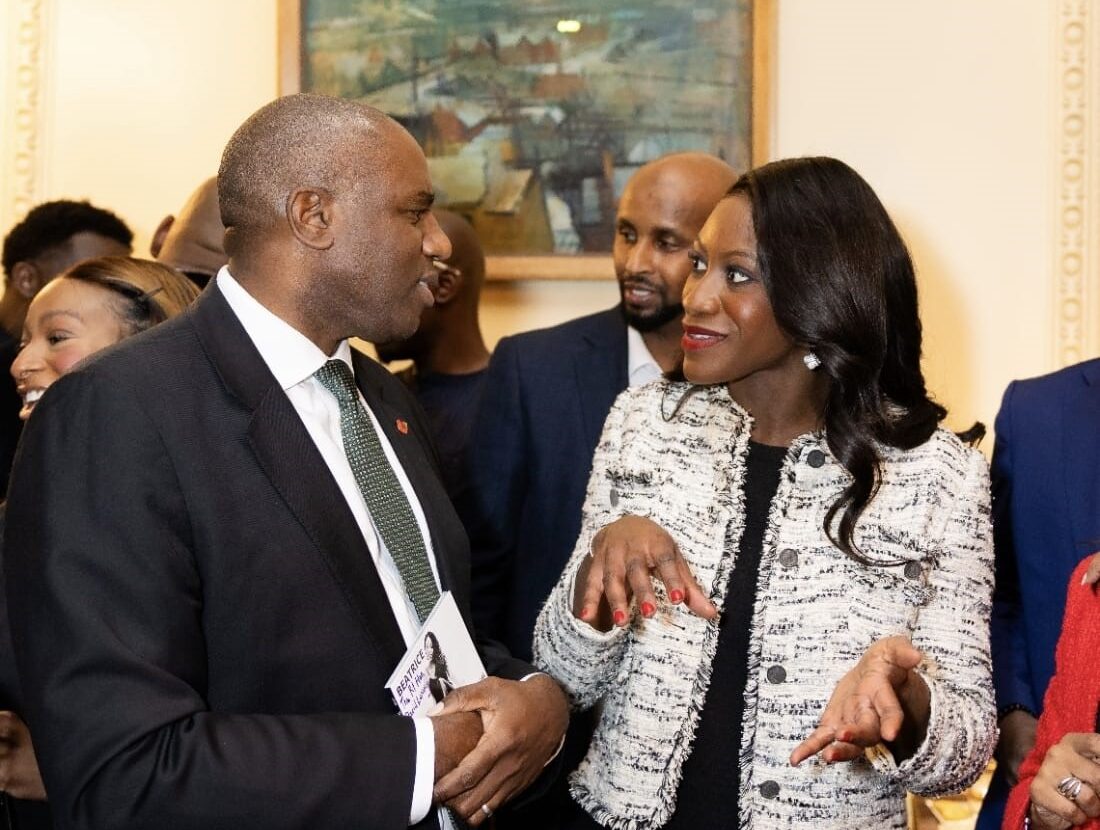 Afua with then-Deputy Prime Minister Rt Hon David Lammy MP
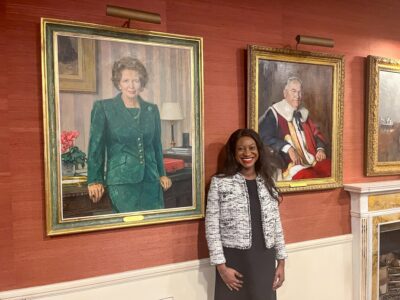
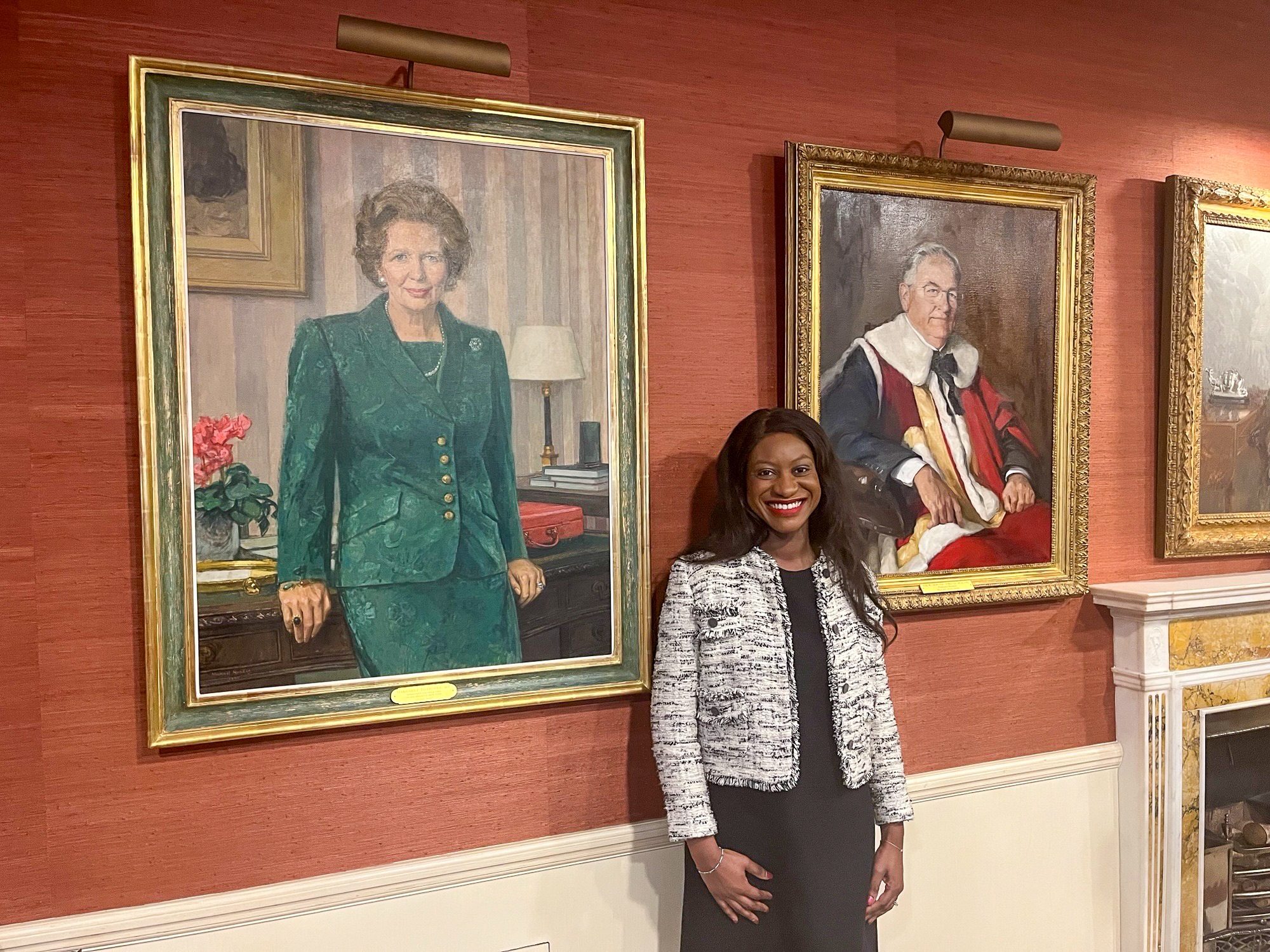 Afua pictured alongside former inductees to the Worshipful Company of Grocers, including her fellow Somerville chemist Baroness Thatcher
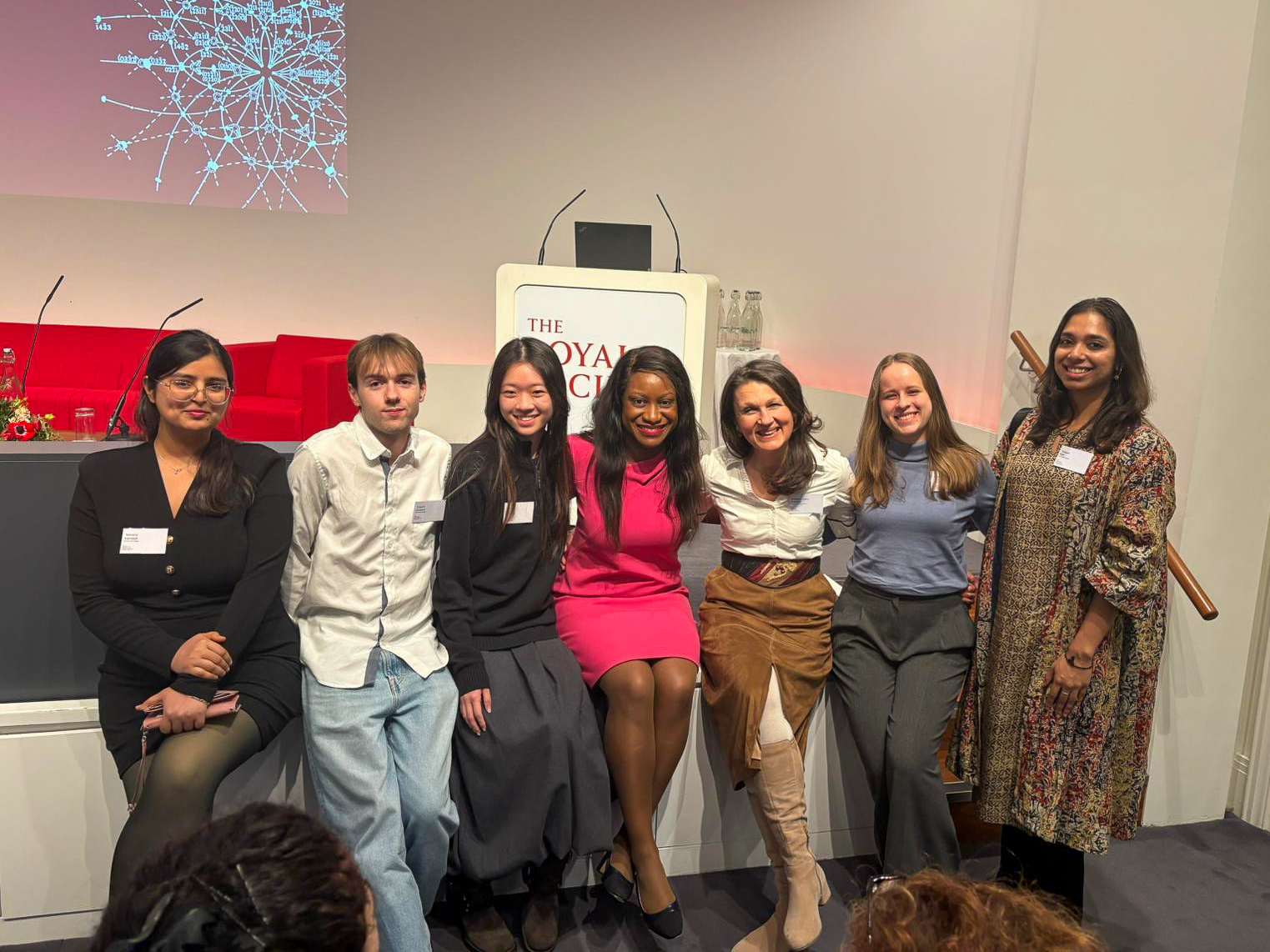 Afua meeting current Somerville students following her keynote address to the Royal Society's celebrations of admitting women to its fellowship
 Afua Kyei outside the Bank of England offices on Threadneedle Street
 Afua interviewed for the BBC following her Powerlist award, 2026